News
What is the crypto dollar and why does it trade differently from the official and MEP rates?
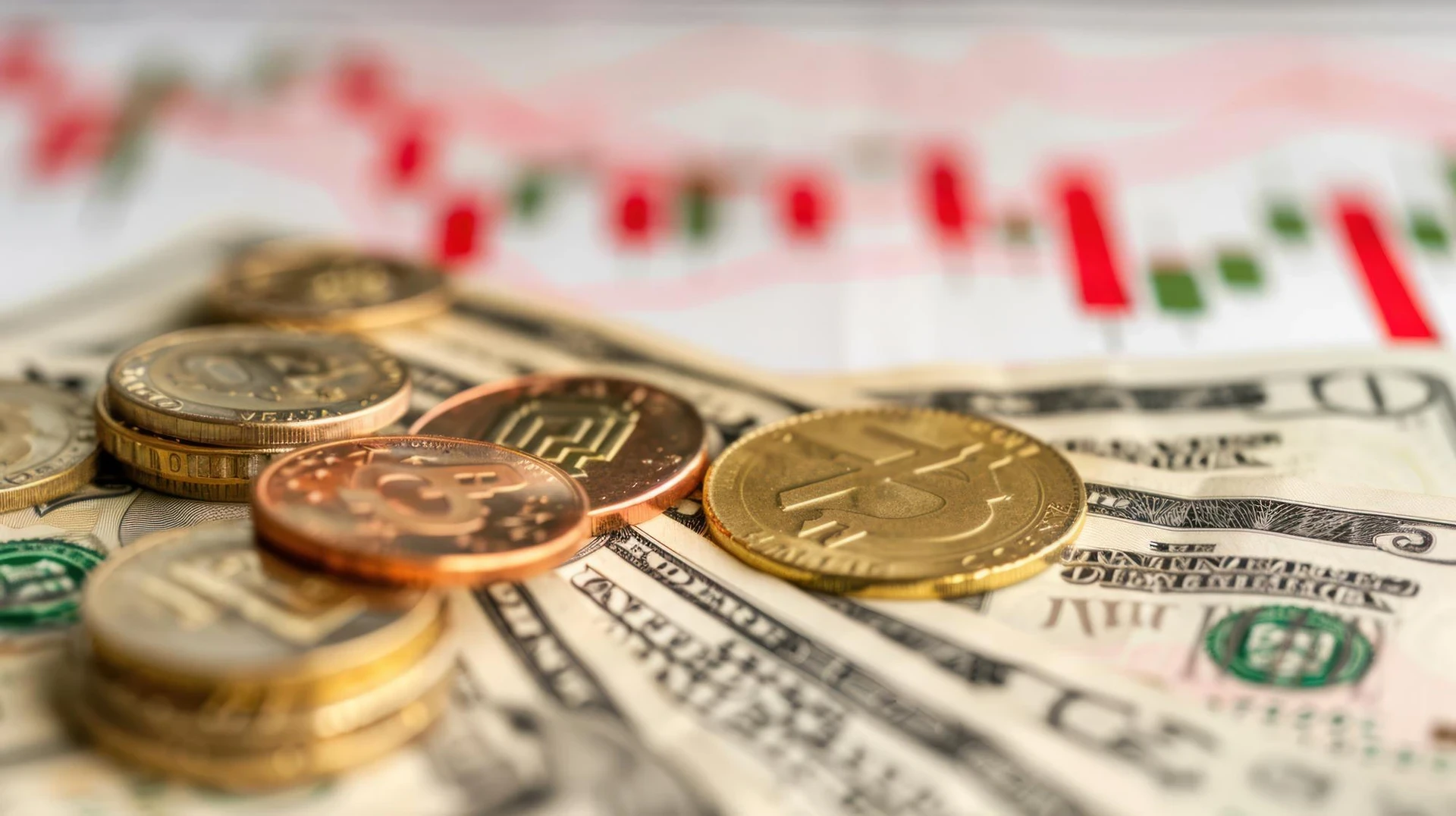
On a Friday night, with banks closed and the stock market not operating, the crypto dollar keeps moving, and its price can differ from the official and MEP dollar by more than 3%.
Here we tell you what it is, why it trades differently, and how to buy and sell it without making irreversible mistakes.
Download the belo app and check out how to swap between pesos and stablecoins based on your account and current conditions.
What is the crypto dollar and how is its price determined?
On a Friday at 10:00 PM, with banks closed and the stock market not operating until Monday, thousands of people in Argentina are still buying and selling digital dollars.
The price they pay does not match the official dollar or the MEP dollar at that day's close, and the difference can exceed 3%. That gap has a specific explanation that is worth understanding before trading.
When someone asks what the crypto dollar is, the answer points to stablecoins pegged to the US dollar (USDT, USDC, and DAI are the best known) and the price in Argentine pesos at which they are bought and sold on digital platforms.
Each of these stablecoins maintains a near 1:1 peg with the dollar, making them a way to hold dollar-denominated balances without needing to access the formal foreign exchange market.
The USDT dollar, for example, reflects the price of Tether in pesos within exchanges and apps, and is usually the most liquid benchmark in the local crypto market.
The crypto dollar emerges from supply and demand among people trading on exchanges and decentralized liquidity pools, without intervention from any regulatory body of the foreign exchange market.
The official dollar is set by the Central Bank, and the MEP dollar stems from bond transactions in the stock market, subject to specific hours and regulations.
Why the crypto dollar trades differently
The price differences between these markets are not random. They stem from three structural factors that operate simultaneously.
Factors that explain the exchange rate difference
The crypto market operates 24/7, while the MEP functions Monday through Friday during trading hours (roughly from 11:00 AM to 5:00 PM). Any economic event that occurs on a Saturday night is immediately reflected in the crypto dollar, whereas the MEP only reacts on Monday.
Brokerage firms, funds, and individuals with brokerage accounts trade in the MEP. The crypto market includes everyone from freelancers receiving payments from abroad to users looking to dollarize savings, as well as traders who arbitrage between platforms. This diversity of profiles generates its own supply and demand dynamics.
To trade MEP, you need a brokerage account, must wait for settlement periods of 24 to 48 business hours, and comply with a one-business-day parking period between transactions. To buy or sell stablecoins, the process takes just minutes from an app.
If the MEP closes at a certain price on a Friday and a foreign exchange measure is announced over the weekend, the crypto dollar can move before the MEP has a chance to adjust.
That window creates opportunities as well as risks for those who do not understand that they are operating in a market with different rules.
How to buy and sell crypto dollars
The flow of buying and selling stablecoins in an app is more direct than trading in the stock market, but it has its own costs that are worth knowing before executing.
In belo, the "Swap" button on the home screen allows you to convert pesos to stablecoins (USDT, USDC, or DAI) and vice versa.
Before confirming, the screen shows the exchange rate you will receive, allowing you to compare it with other real-time references. The conversion executes in seconds, and the balance is available immediately.
If you already have stablecoins on another platform (Binance, for example), you can deposit them into belo by selecting "Deposit" and then "Cryptocurrencies," choosing the currency and the blockchain network.
Crediting takes minutes and has no additional fees within the app, although the originating platform charges the network fee.
Spreads vary depending on the platform and time of day. During high-demand periods, such as holiday weekends or days with foreign exchange volatility, the spread tends to widen.
Comparing the exchange rate offered by the app with the market reference rate before confirming each transaction is a habit that can save you a significant percentage if you trade frequently.
One point that many users overlook is the blockchain network. If the sending and receiving networks do not match, the funds can be permanently lost.
Making an initial transfer with a small amount to verify before sending the total amount is the simplest way to avoid that mistake.
Cost breakdown by transaction type
Transaction | Estimated timeframe | Typical cost |
|---|---|---|
Buying stablecoins in-app (pesos to USDT) | Seconds | Platform spread (varies based on demand) |
Deposit from another platform (Tron network) | Minutes | Between 0.1 and 1 USDT (network fee) |
Buying MEP dollar (bonds) | 24 to 48 business hours | Brokerage fee plus mandatory parking period |
When to use the crypto dollar
Understanding the mechanics of the price matters, but what ultimately determines whether the crypto dollar works for you are the specific situations in which you use it.
For those who get paid for international services as freelancers or consultants, stablecoins allow them to receive payments in a currency pegged to the dollar without relying on international wire transfers that take days and charge high fees.
Platforms like PayPal can also be routed to USDC inside a digital wallet, simplifying the subsequent conversion to pesos.
For travelers, holding a balance in stablecoins works like a dollar-denominated fund that you can convert at the time of your trip, at that moment's crypto market exchange rate, without the surcharges of the card dollar or the uncertainty of billing statement closing dates.
If you are going to pay abroad, a virtual VISA card like the one we offer at belo allows you to use that balance directly, with the amount locked in at the time of payment.
For those who simply want to dollarize savings outside of banking hours, the crypto market fills a gap that the traditional financial system does not offer.
It does not require a brokerage account, has no parking period, and operates even on holidays. It has its own costs and risks that each person should evaluate based on their situation.
Download the belo app and check out the current conditions based on your account.
Frequently asked questions about what the crypto dollar is and why it trades differently from the official and MEP dollar
Is the crypto dollar legal in Argentina?
Buying and selling stablecoins on authorized platforms is not prohibited in Argentina. Transactions take place outside the formal foreign exchange market, so they do not require authorization from the Central Bank.
That does not mean they are tax-neutral. They may have tax implications that are worth discussing with an accountant before trading regularly.
What is the difference between USDT, USDC, and DAI?
All three are stablecoins pegged to the US dollar with a near 1:1 parity. USDT (Tether) is the most liquid and widely used in Argentina. USDC is backed by audited reserves of real dollars, and DAI operates with a decentralized mechanism based on cryptocurrency collateral.
The choice between them depends on how you use them and the platform where you trade. For everyday transactions in Argentina, USDT is usually the option with the highest availability and liquidity.
Why does the price of the crypto dollar vary across platforms?
Each platform applies its own spread and has a distinct user base, which creates differences in supply and demand. In times of high volatility, these differences widen.
Comparing the exchange rate between platforms before confirming a transaction is an actionable practice that can improve the final price you get, especially if you trade larger amounts or do so frequently.
What happens if I send stablecoins through the wrong network?
If the sending and receiving networks do not match, the funds can be permanently lost. Making an initial test transfer with a small amount before moving the total is the simplest way to avoid that mistake.
Before confirming any transfer, verify that the network selected on the origin platform matches the network enabled on the destination platform exactly. A network error cannot be reversed.
Is the crypto dollar good for long-term savings?
Stablecoins maintain their peg to the dollar, so they do not suffer from peso inflation, but they do not generate yield on their own either. Some platforms offer yield options on stablecoins, although those alternatives carry their own risks that each user must evaluate.
If the goal is to preserve value in dollars outside the banking system, stablecoins fulfill that purpose. If you are looking to grow that balance, you need to consider additional options with their own terms and conditions.


