News
USDT: what Tether is, what it is used for, and why it is the most widely used digital dollar
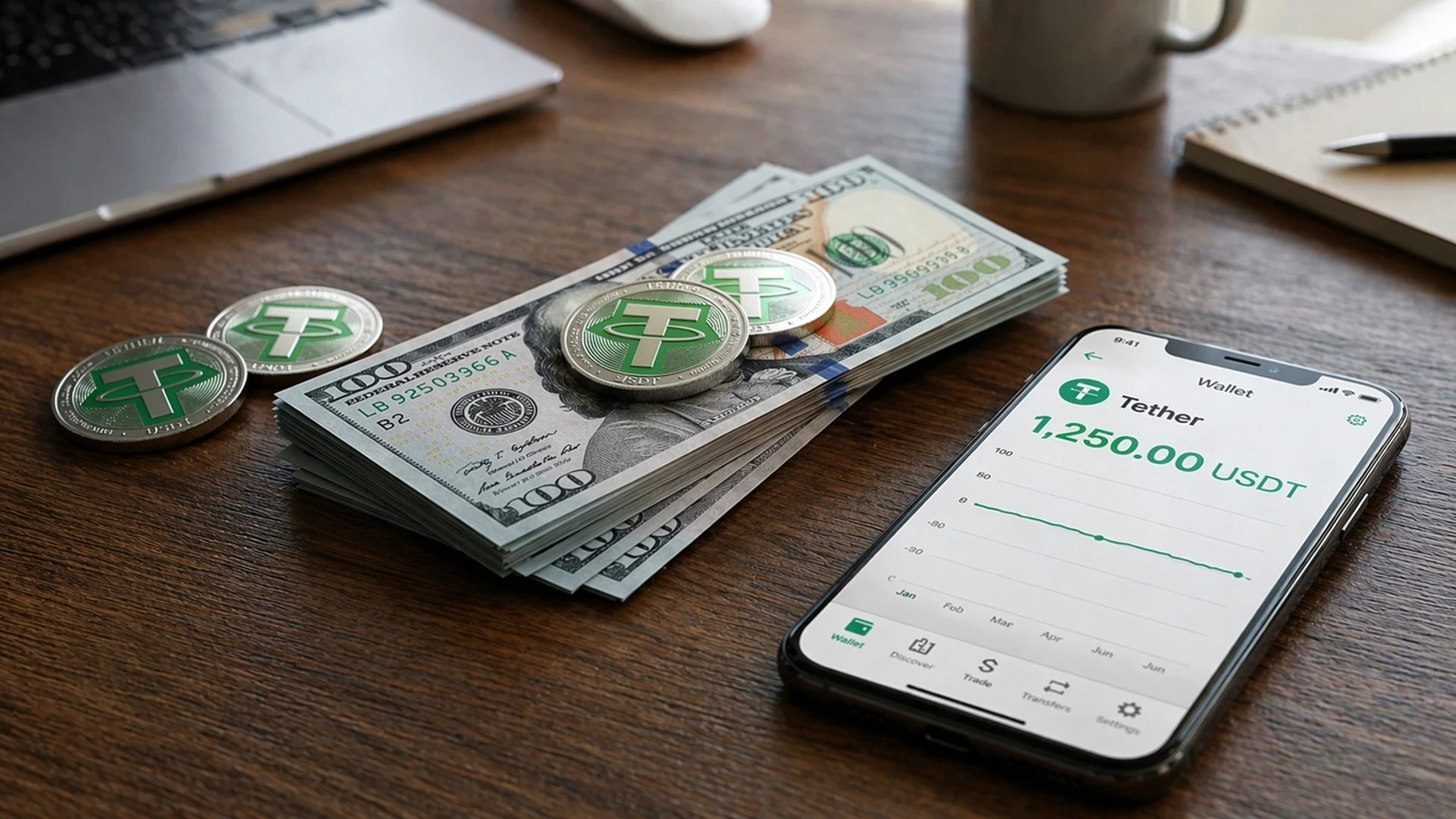
USDT: What Is Tether, What Is It For, and Why Is It the Most Used Digital Dollar
If you get paid from abroad, travel often, or want to handle digital money with more flexibility, you’ll very likely come across USDT.
For many people, especially freelancers and travelers, it has become a practical way to receive, move, or keep balances in digital dollars without adding too many complications.
The key is not just understanding what USDT is. It also matters to know what role Tether plays, why this stablecoin shows up so often, and how it can help you in specific situations.
What USDT Is and What Tether Has to Do With It
USDT is a stablecoin issued by Tether, the company that launched this digital asset in 2014.
Its goal is to closely track the value of the U.S. dollar, which is why many people use it as a way to keep balances in dollars within the crypto ecosystem.
In other words, Tether is the company and USDT is the token. That difference may seem basic, but it helps make it clearer what we're talking about when someone says they get paid, save, or transfer in USDT.
In practice, the name Tether comes up a lot because it is the issuer of one of the market’s most widely used stablecoins.
That is why, when someone is looking for an alternative to get paid from abroad or move digital money without relying on an international bank account, USDT is usually one of the first options they find.
Differences Between USDT and USDC
When you start using digital dollars, the most common comparison is between USDT and USDC. Both stablecoins aim to track the value of the dollar, but they are not always used the same way and do not always have the same issuer behind them.
In general, USDT is often chosen when you prioritize liquidity, compatibility, and ease of moving funds between platforms. USDC, on the other hand, tends to attract more people who take a closer look at the public documentation and the issuer's structure.
For most users, the difference is not about a technical debate but about use. If you need to get paid, transfer, or convert quickly, USDT often appears as a very present option within the ecosystem.
Aspect | USDT | USDC |
|---|---|---|
Issuer | Tether | Circle |
Most common use | Liquidity and wide presence on platforms | More geared toward users who compare more before choosing |
Presence on exchanges and networks | Very high | High |
Typical user type | Someone looking for practicality to get paid, move, or convert | Someone who values the documentation and the issuer's structure more |
What USDT Is Used For in Argentina
In Argentina, USDT is often used to solve fairly specific situations, although it is sometimes presented as something very complex, and many times, it simply works as a tool to better manage digital money in dollars.
The most common uses are usually these:
Get paid from abroad and receive funds in a digital currency tied to the dollar.
Keep dollarized balances inside a compatible wallet or platform.
Move money between services or people without going through a traditional international transfer.
Convert or use those funds later, depending on your needs.
If you get paid from abroad or want to travel and use your money with more freedom, what matters is not just receiving funds, but being able to manage and use them through a simple, everyday experience; that is what belo is for.
How to Buy USDT With Pesos
The most common way to access USDT is usually through platforms that let you deposit pesos and then convert that balance into stablecoins.
There are also person-to-person markets, although there you should operate more carefully and only within environments that offer some protection. Before buying, check these four things:
Which platform you are going to use
Which network it supports for deposits and withdrawals
What costs or fees it reports
How clear its user experience and support are
More important than getting a tiny price difference is clearly understanding where you buy it, how you move it, and what you are going to use it for.
Networks for Transferring USDT
USDT can move across different networks. That changes costs, compatibility, and the user experience. Choosing this point well avoids many mistakes.
Network | What it usually offers | When it is usually chosen |
|---|---|---|
Tron TRC20 | Low costs and very widespread use | Frequent transfers and a practical focus |
Ethereum ERC20 | High compatibility with apps and services | Use in broader ecosystems or specific integrations |
Polygon, Arbitrum, or BNB Chain | Moderate or low costs depending on the network | Users looking for a balance between cost and compatibility |
Before transferring, always confirm that the sending network and the receiving network match. If they do not match, recovering those funds can be very difficult and, in some cases, it may depend on whether the receiving platform can help you. That is why, if it is your first time, it is a good idea to make a small test transfer.
Custody, Risks, and Points to Review
Having USDT can be simple. What matters is understanding where you keep it, how you move it, and how much control you want to have.
If you leave your funds on an exchange or in a custodial app, like belo, you gain convenience. Everything is usually more direct and easier to use.
Before moving funds, it is worth checking three things:
That the sending and receiving networks match
That you are operating on a platform you understand well
That the first transfer is for a small amount
It is key to review those points before making any transaction.
What to Keep in Mind About Tether, Regulation, and Taxes
Since Tether is the issuer of USDT, understanding that link also helps you look at the asset more critically. When you use USDT, you are not just using a stablecoin. You are also trusting the infrastructure and the issuer behind it.
At the same time, it is wise to be cautious about all legal and tax matters. The regulation of crypto assets and their tax treatment can change, and they also depend on your specific situation, your residence, and the way you operate.
If you plan to use USDT regularly, the reasonable thing to do is:
Check the current conditions at the time you operate
Use platforms that clearly explain how they work
Consult a professional if you have legal or tax questions
Conclusion
USDT can be a useful tool if you want to get paid from abroad, keep balances in digital dollars, or move money with more flexibility. The key is to understand how to use it in real situations, without overcomplicating things with unnecessary jargon.
For someone who works remotely, travels, or wants to better organize how they get paid and use their money, the most valuable thing is not just knowing what USDT is or who is behind its issuance. The most valuable thing is being able to receive it, manage it, convert it, and use it simply.
That is where an app like belo makes the difference. Because it helps you go from understanding digital dollars to actually using them, in a more everyday, clearer, and less friction-filled experience. In other words, money without borders, but also without hassle.
Frequently Asked Questions
Are USDT and Tether the same thing?
Not exactly. Tether is the issuing company and USDT is the stablecoin it issues.
What is USDT used for?
It is usually used to get paid from abroad, keep balances in digital dollars, move funds between platforms, or convert money depending on each person's needs.
What is the difference between USDT and USDC?
Both are stablecoins linked to the dollar. USDT usually stands out for its liquidity and presence, while USDC tends to attract people who compare the documentation and issuer structure more closely.
Which network is best for moving USDT?
It depends on the destination and the platform you use. Tron is usually chosen for practicality, while other networks may work better in specific contexts.
Should you review tax issues before operating?
Yes. If you plan to use USDT regularly, it is a good idea to validate your case with a professional and review the current regulations.


