News
What Is a Digital Wallet: How It Works, What You Can Do, and Why It’s Worth It
What Is a Digital Wallet: How It Works, What You Can Do, and Why It’s Worth It
What Is a Digital Wallet
If you’ve ever wondered whether downloading a financial app is like opening a bank account, you’re not the only one. The answer is no, but understanding the differences saves you headaches and money when you need to choose the tool that truly works for you.
A digital wallet is a simple app that lets you receive, send, and manage money from your phone. It works like a regulated virtual account, with its own identifier (the CVU) that connects it directly to the Argentine financial system. The difference from a traditional bank is that digital wallets prioritize doing things quickly and without complications.
Banks offer complex financial products like loans and credit cards, but they come with structures that charge maintenance fees, commissions, and make you wait longer for every transaction. Digital wallets were created to solve everyday transactions without friction, and the best part is that you can use them without having a bank account. All you need is an ID and a cellphone.
Feature | Traditional bank | Digital wallet |
|---|---|---|
Opening | In person or digital with extensive requirements | 100% digital, in minutes |
Maintenance cost | Varies, many charge monthly | Usually free |
Transfers | CBU, may take hours | CVU, generally instant |
Access to dollars | Requires a foreign-currency account | Depends on the provider |
Crypto | Not available | Available in some wallets |
Regulation | BCRA | BCRA (as a PSP) |
How a Digital Wallet Works
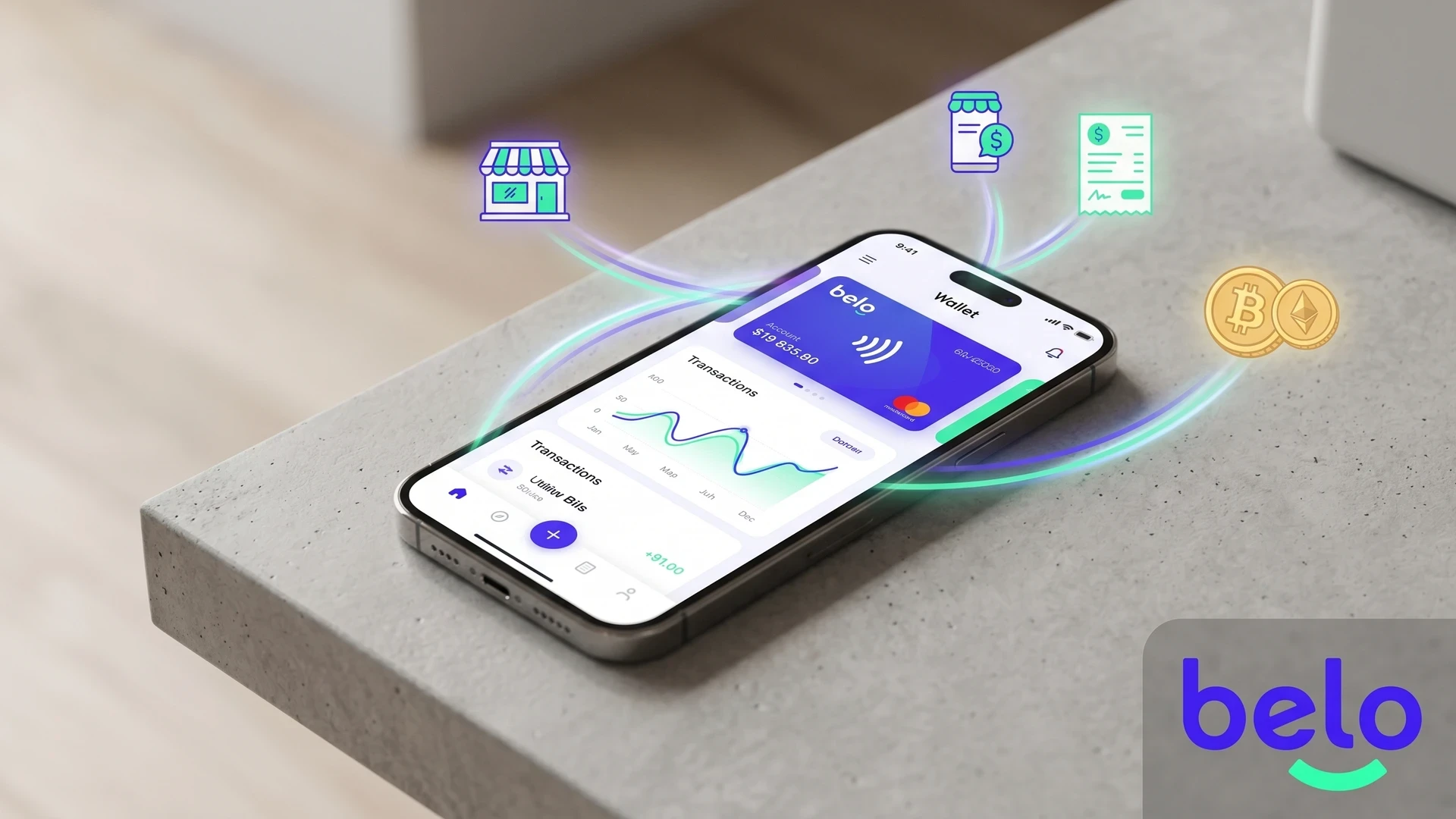
When someone transfers money to a digital wallet, that money arrives quickly through your CVU (Uniform Virtual Key). Think of it as the digital equivalent of a bank CBU, with 22 digits that identify your account. You can also set up a simple alias like maria.lopez.belo so it’s easier to share.
To receive money, the person paying you enters your CVU or alias from any bank or digital wallet, confirms the amount, and within seconds the funds appear in your account. There’s no difference between receiving from a bank CBU or from another CVU, because everything runs on the same infrastructure regulated by the Central Bank.
To pay with QR, open the app, scan the merchant’s code, confirm the amount, and you’re done. The debit happens instantly from your available balance. This method has grown so much in Argentina that it already represents a significant share of in-person payments, especially in stores where the traditional card terminal was hard to maintain.
The limits and fees vary by provider, but most keep basic transactions free of charge.
Transaction | Typical fee range | Typical monthly limit |
|---|---|---|
Transfer between CVUs | No cost | Varies according to verification level |
Top-up from bank | No cost | No limit in most cases |
QR payment | No cost to the user | Subject to available balance |
Cash withdrawal | May have a fee depending on the provider | Starting at $30,000 per month and up |
Conversion to dollars or crypto | Depending on the provider | Depends on the provider and verification |
Providers of digital wallets operate as PSPs (Payment Service Providers) under BCRA rules, which means they are required to keep users’ funds in demand accounts at authorized financial institutions. Your money isn’t just floating around on a server.
What You Can Do with a Digital Wallet
If you’re a freelancer and get paid in dollars, there are digital wallets that let you receive payments from abroad and keep them in foreign currency without complications. The advantage over the traditional banking system is real.
For example: A freelancer who gets paid USD 1,000 through a bank faces automatic conversion to pesos at the official exchange rate plus surcharges that can add between 55% and 95%, depending on the current rules. With a digital wallet like belo, that same freelancer can receive, hold, and spend those dollars directly from the app, with instant conversion and without the card-dollar surcharges.
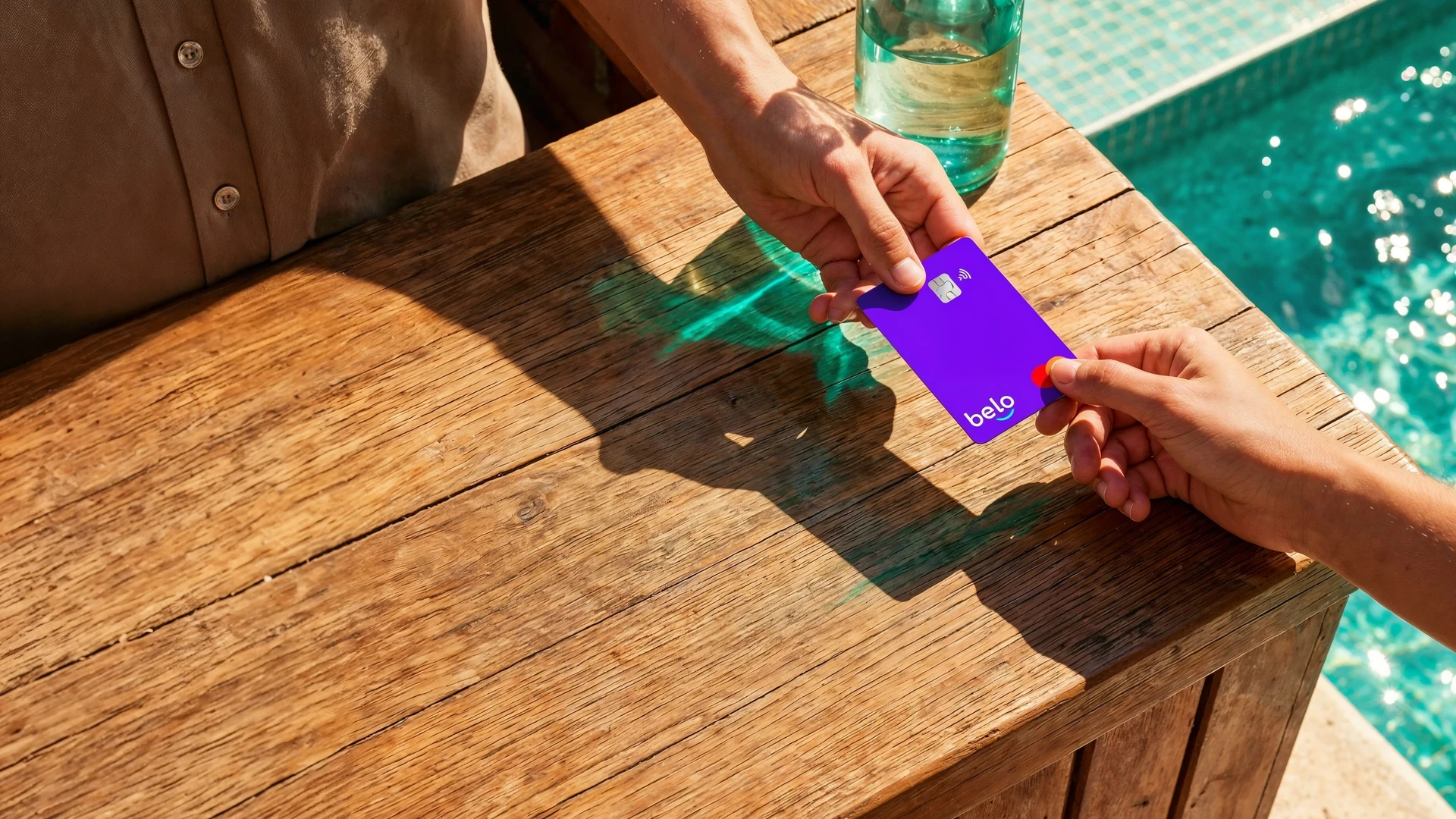
If you travel and want to pay at your destination with QR or card, digital wallets with an international prepaid card let you set the exact amount at the time of payment, without waiting for a statement closing or depending on an exchange rate that’s set days later.
If you want to hold cryptocurrencies, several Argentine digital wallets let you buy, sell, and store digital assets like Bitcoin, Ethereum, or stablecoins in a simple way. This expands the options for those looking to diversify outside the peso, although it’s important to understand that holding crypto comes with volatility and risk different from keeping pesos or dollars.
Users also wonder whether money in a digital wallet is insured; the answer depends on the type of asset.
The pesos in digital wallets regulated by the BCRA are backed by demand accounts, which means the provider cannot use them for other purposes.
Cryptocurrencies have a different regime, and their custody depends on each platform’s policies.
How to Choose the Best Digital Wallet
The best digital wallet is the one that solves what you need without creating new problems. Before choosing one, evaluate these points.
Security and regulation: Verify that the provider is registered with the BCRA as a PSP. Make sure the app has two-factor authentication like belo, real-time notifications, and clear fund custody policies.
Real fees: Compare the total cost of the transactions you’ll use most. A digital wallet with no maintenance fee may charge you in currency conversion, and that becomes noticeable when you operate at scale.
Features you need: If you only want to pay in pesos with QR, almost any digital wallet will do. If you need to receive dollars from abroad, use crypto, or pay while traveling internationally, you need to look for specialized options.
Backing and custody: Ask yourself where your funds are. Reputable providers clearly explain how they safeguard your money and under what regulations they operate, both for pesos and digital assets.
If you’ve been putting off the decision because the landscape seems confusing, start by choosing a digital wallet that covers your most urgent need and try it with small amounts. It’s easy to use, and the difference in cost and speed compared with the traditional banking system is noticeable from the very first transaction.
Frequently Asked Questions
Is sending money to a CVU the same as sending it to a bank CBU?
Operationally, it works the same because both use the BCRA’s infrastructure. The difference is speed: transfers to a CVU are usually instant, while bank transfers can take up to 24 hours in some cases.
What happens if the digital wallet company shuts down?
Funds in pesos are held in demand accounts at banks authorized by the BCRA, separate from the company’s assets. Cryptocurrencies depend on each provider’s custody policies and have a different regulatory framework.
Can I use a digital wallet without having a bank account?
Yes, for most wallets you only need an ID and a cellphone. You can load cash at enabled locations or receive transfers directly from other wallets or banks.
Do digital wallets have money limits?
Limits depend on your identity verification level. With a basic ID you can handle smaller amounts, but with full verification (photo, proof of income) the limits increase considerably.
Is it better to keep dollars in a digital wallet or in the bank?
It depends on how you plan to use them. Wallets let you spend dollars directly with a card or convert instantly, while banks usually require longer processes to access foreign currency.


