News
Brazilian real-pegged stablecoin: how it works and what it is for
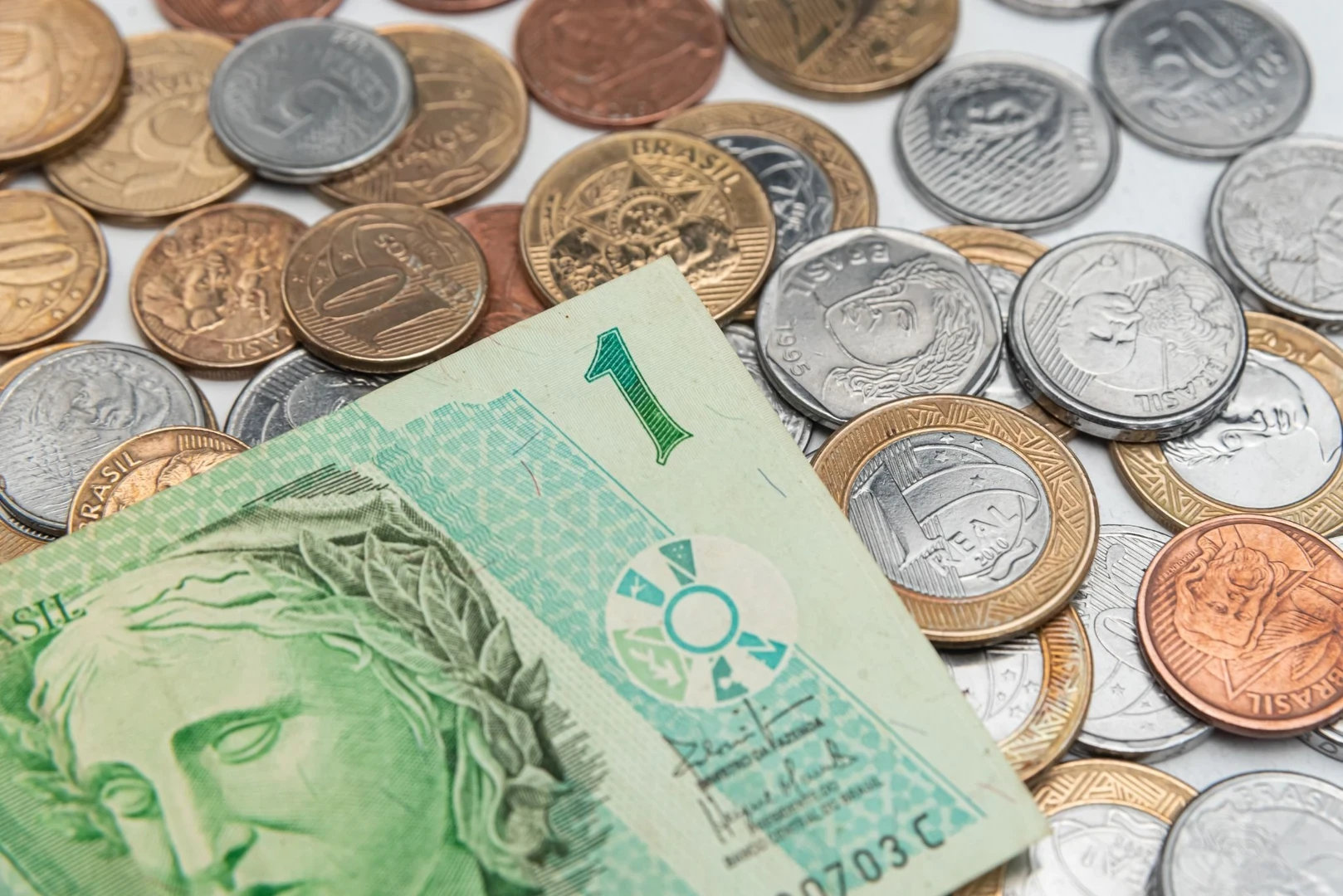
A Brazilian real-pegged stablecoin is a digital asset designed to track the value of the Brazilian real within the crypto ecosystem.
Instead of seeking exposure to the US dollar or other volatile assets, this type of token aims to represent a unit of value close to the Brazilian currency, facilitating digital operations, conversions, and transactions between platforms.
In practice, this model can be useful for those who want to use digital assets without completely detaching from the real-denominated benchmark.
It can help in situations such as moving balances, accessing crypto services, testing blockchain transactions, converting values, or understanding how local currencies can circulate in digital formats.
In this guide, you will understand how a Brazilian real-pegged stablecoin works, what it is used for, what precautions to take before using this type of asset, and what to review regarding backing, liquidity, issuer, accessibility, and risks.
If you want to understand how to move and convert digital assets in a simple way, the belo app can be a starting point for tracking alternatives to receive, convert, and move your balance.
What happens between the deposit and the token
Those who have already used USDT or USDC tend to treat a Brazilian real-backed stablecoin as "digital money in Brazilian reals."
This simplification hides the mechanism that determines whether the balance actually holding R$ 1 per token is true, or if there is an invisible risk eroding that value.
The cycle works in a straightforward way. When an issuing company receives a deposit in reals, it creates the equivalent amount of tokens on the blockchain and sends them to the depositor's wallet.
The corresponding reserves are held in custody, generally in segregated bank accounts or short-term treasury bills. When someone wants to redeem, the issuer releases the reals to the designated account, net of any applicable fees.
Three elements that sustain the parity
Full reserves guarantee that every token has a corresponding real held in custody.
Arbitrage mechanisms allow anyone to buy tokens below R$ 1 and redeem them at full value, driving the price back up.
Reserve transparency reduces market uncertainty. When this transparency is lacking, the risk of de-pegging increases.
Cost comparison by transfer channel
Method · What to review · Point of attention
International bank transfer · Fixed fee, spread, processing time · Costs and times vary depending on the bank and destination
Payment method with built-in exchange rate · Spread, taxes, applied rate · Actual value only appears on the statement after the transaction
Stablecoin via blockchain · Network fee, exchange spread, exit liquidity · Potential savings depend on the fees of each step
Potential savings are only realized if the recipient has a way to convert the token back into local currency without losing that difference to exchange fees or lack of liquidity.
The risks that need to be factored in
Counterparty risk exists because the backup in reals depends on the financial stability and honesty of the issuer.
If the company custodying the reals faces regulatory or legal issues or simply goes bankrupt, the tokens may lose value regardless of the blockchain technology.
Smart contract risk comes right after. The code that governs the issuance and destruction of tokens can contain vulnerabilities. Code audits reduce this risk, but they do not eliminate it.
There is also liquidity risk, which manifests when you need to convert tokens back to Brazilian reals urgently and the trading volume on available exchanges cannot support the size of your operation.
A stablecoin with solid reserves can face liquidity issues when many people try to redeem at the same time.
Essential verifications before using
Whether the issuer publishes regular audits of reserves conducted by independent firms.
Whether the smart contract has been audited and when the last review took place.
What the average redemption time is and if there is a minimum amount.
What fees apply to minting, burning, and transfers.
How to test without overcommitting
The safest way to start is to treat stablecoins as a tool, not as the final destination for your money. Converting a small amount allows you to test the complete cycle of minting, transferring, and burning without risking your budget.
If the main objective is to pay in reals outside of Brazil or receive international transactions in Brazilian treasury, it is worth considering paths that offer conversions without requiring you to manage tokens directly.
On belo, you can track through the app the options to convert and move digital assets, with the amounts shown before confirming each transaction.
To better understand how assets work on the platform, refer to the guide on cryptocurrencies and the guide on conversions in the help center.
Practical recommendations
Complete the entire cycle (buy, transfer, redeem) with small amounts before committing larger sums.
Record the actual fees at each step to compare with the real cost of traditional alternatives.
Hold tokens only for the period necessary for the operation, reducing exposure to counterparty risk.
If you want to explore the crypto scene with greater clarity, the belo app can help you track options to receive, convert, and move digital assets.
Frequently asked questions about Brazilian real-pegged stablecoin
Is it safe to keep large sums in Brazilian real-pegged stablecoins?
It is not recommended to use stablecoins as a long-term reserve. Counterparty risk is always present. Use them only for the periods necessary for specific transfers or transactions.
How to know if a stablecoin is trustworthy?
Check if there are regular external audits of reserves conducted by independent firms, if the smart contract was audited, and test with small amounts before committing larger funds.
What is the cost difference compared to other methods?
It can vary based on the operation's spread, the network used, and the market volatility during that period. The main advantage is control over the timing and method of conversion. Compare the actual costs of each step before making a decision.
Can I use stablecoins to receive international payments as a freelancer?
They work as an intermediary layer that lets you choose when and how to convert. Declare received amounts in accordance with the regulations applicable to your tax status. If you have tax-related questions, consult an accountant or official sources.
What happens if the issuer faces issues?
The tokens can lose value even if the blockchain technology continues to work properly, because they rely on the reserves held by the issuer. This is why it is essential to check for regular audits and only use funds that you can afford to lose.
Continue exploring
For freelancers: how to reduce stress and increase productivity
Freelancer world

Spring in Argentina: 5 places that look even more beautiful this season
For travelers

3 All-Inclusive Resorts with Kids Club for Family Vacations
For travelers