News
Ushuaia travel itinerary: what to do at the end of the world
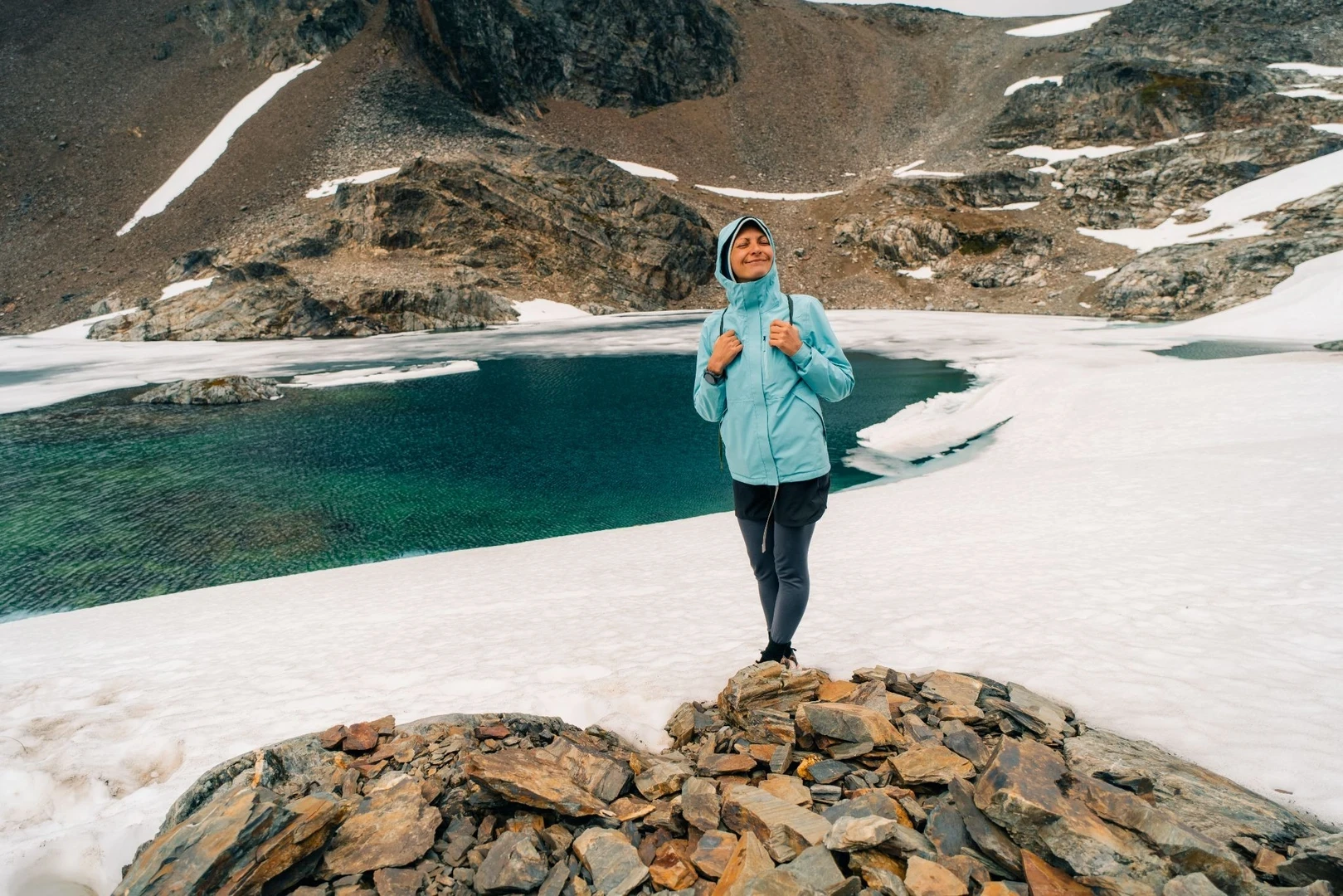
Ushuaia is one of Argentina's most striking destinations for those looking for extreme landscapes, nature, cold, adventure, and that feeling of being in a truly different place.
Known as the city at the end of the world, it combines mountains, channels, snow, forests, lakes, and tours that change significantly depending on the time of year.
Putting together an itinerary for Ushuaia requires a bit more planning than a typical urban trip.
The weather can change quickly, some excursions depend on the season, transportation needs to be well-organized, and the choice of accommodation significantly influences the experience.
In this guide, you will understand what to do in Ushuaia, how many days to stay, which tours to consider, how to organize your itinerary, and what to review before booking accommodation, activities, and expenses during the trip.
Before departing, it is worth checking the belo app to track payment options during your trip, and if you are still looking for accommodation, belo Travel can also help you find discounted options.
How the weather shapes your itinerary
Ushuaia has a particularity that separates those who return satisfied from those who return frustrated: the weather can cancel entire tours without warning.
A navigation through the Beagle Channel depends on sea conditions, Tierra del Fuego National Park closes trails due to accumulated snow, and flights to the destination are frequently delayed between May and August.
Those who put together too tight of an itinerary find this out the hard way, missing out on activities that required an extra day of buffer.
Three days work to see the essential highlights while accepting the risk of missing something due to the weather.
Five days allow you to reschedule what the weather disrupted and include experiences with longer travel times, such as Laguna Esmeralda or the Martial Glacier.
Seven days make sense between November and March, when daylight hours exceed 17 per day and activities like trekking, canoeing, and tours to Lake Fagnano have ideal conditions.
Day-by-day itinerary
First day: The flight from Buenos Aires takes about 3h30, and the transfer from the airport to downtown takes approximately 15 minutes. Reserve the afternoon to walk along San Martín Avenue, visit the Maritime and Prison Museum, and have an early dinner.
Second day: Navigating the Beagle Channel is the most emblematic experience of the destination. Half-day tours depart early from the port and last a few hours.
Book in advance during the high season, as smaller boats sell out quickly. Upon return, there is still time for the End of the World Train.
Third day: Tierra del Fuego National Park is located 12 km from downtown with regular transfers. Trails like Senda Costera and Bahía Lapataia take a few hours depending on your pace.
Those with only three days end their itinerary here with the three fundamental experiences covered.
Fourth and fifth days: For those staying five days, the fourth day opens up space for the trek to Laguna Esmeralda, which features muddy terrain in some stretches and requires waterproof boots.
In winter, this same day can be dedicated to Cerro Castor, the southernmost ski resort in the world, which operates from June to October. The fifth day works well for the Martial Glacier in the morning and local gastronomy in the afternoon.
Sixth and seventh days: Those extending to seven days get the most out of it between November and March. The sixth day allows for an excursion to Lake Fagnano and Lake Escondido. The seventh can be dedicated to canoeing in the Beagle Channel or more advanced trekking.
Where to stay
The downtown area, around San Martín Avenue and the port, concentrates most of the mid-range and high-end hotels. The practical advantage is its proximity to the port of embarkation for navigations, which depart early.
For something quieter, the surroundings of the Los Cauquenes neighborhood and the upper area offer cabins and apart-hotels.
In the high season (December to February), occupancy is high and booking in advance prevents paying more for worse options. In the winter, there is more availability. belo Travel can help find discounted options.
How to organize payments
Having a defined payment strategy before you travel makes a real difference. Many excursions in Ushuaia are quoted in dollars and charged on the spot.
Strategy · When to use · What to review
Cash · Currency exchange offices in the city · Avoid exchanging at the airport
Digital payment methods · Establishments accepting app payments · Review exchange rate before confirming
Advance online purchase · Tickets and excursions · Can secure better options
With belo, you can pay and manage your balance directly through the app, with amounts and exchange rates displayed before you confirm.
What to pack
Waterproof windbreaker jacket (mandatory at any time of year)
Thermal base layer for temperatures that vary greatly throughout the day
Gloves and beanie for protection against the constant wind
Mid-cut waterproof boots for trails and urban snow
Crampons for winter trails, if necessary
Sunglasses for winter snow conditions
If your trip to Ushuaia is already confirmed, download the belo app, set up your account, and track payment alternatives during your trip from day one. And if you are still organizing accommodation, belo Travel can also help you find discounted options.
Frequently Asked Questions about Ushuaia Travel Itinerary
When is the best time to visit?
Between November and March, when there are more daylight hours and ideal conditions for outdoor activities. Winter offers skiing and a different atmosphere, but with a higher risk of cancellations.
Is it possible to do everything in 3 days?
Three days cover the essentials, but leave little room to reschedule activities canceled due to weather. Five days offer more security.
How much money should I bring?
Research updated prices for activities and accommodation for your dates before setting a budget, as values vary. Have cash available for exchange offices in the city.
Do the trails require special equipment?
Waterproof boots are recommended year-round. In winter, some trails may require crampons. Consult your tour operator before heading out.
How does transportation to the tours work?
The downtown area is compact, but the main attractions are outside. Shared transfers, private transfers, and car rentals are the options. Book in advance during high season.
Continue exploring

For freelancers: how to reduce stress and increase productivity
Freelancer world
Spring in Argentina: 5 places that look even more beautiful this season
For travelers

3 All-Inclusive Resorts with Kids Club for Family Vacations
For travelers