News
How to receive a SEPA transfer in Brazil: what to check before charging
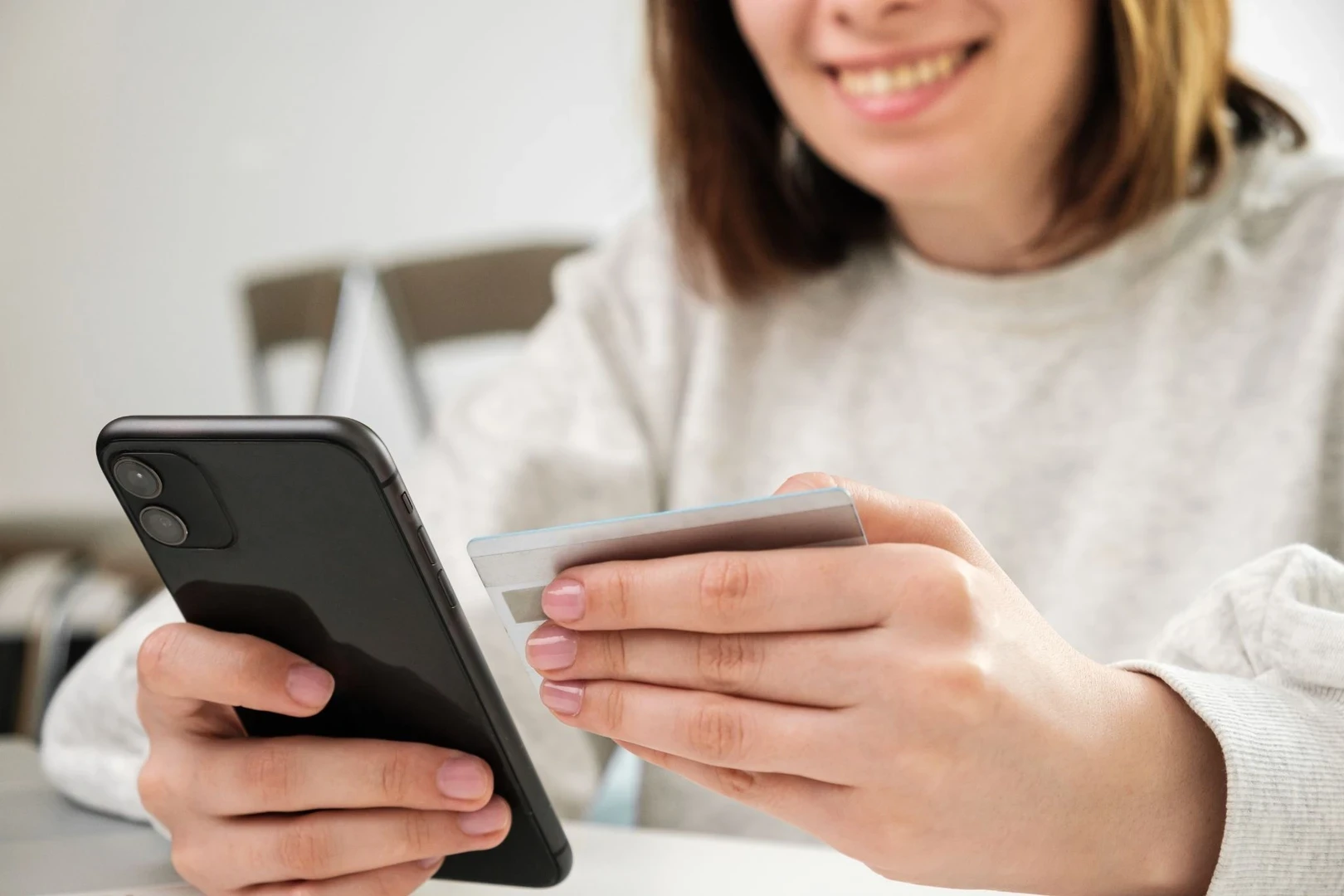
Receiving payments from Europe can be part of the routine for freelancers, consultants, creators, and professionals who work with international clients.
In some cases, the client prefers to pay by SEPA transfer in euros. Before sending your billing details, it is worth understanding how this type of payment works, what information might be requested, and how the money can be used after receipt.
What is a SEPA transfer?
SEPA stands for Single Euro Payments Area.
It is a euro payment area used by participating financial institutions in Europe. It helps standardize transfers in euros between accounts enabled for this type of operation.
For those in Brazil, the main point is to understand if the account or platform used to receive accepts this type of transfer and what details must be shared with the client.
Does SEPA work in Brazil?
The SEPA network was created for transfers in euros between participating countries in the European payment area.
In practice, people in Brazil can manage to receive payments related to this system depending on the account, platform, or solution used to receive in euros.
Therefore, before sharing your details with a European client, it is worth confirming:
If your account accepts payments in euros
Which details must be used
If there are conversion costs
How the balance can be moved afterwards
What is the difference between SEPA and SWIFT?
SEPA and SWIFT are systems used for international transfers, but they work in different ways.
Generally speaking:
SEPA is mainly used for payments in euros between participating countries in the European area
SWIFT is a network used for international transfers in different currencies and countries
Depending on the account, the currency, and the method used by the client, you may need to share different details for each type of transfer.
Before billing, confirm which method will be used and what information your account accepts to receive.
What might your European client need to make a payment?
When a European client asks for your transfer details, they may be requesting specific information to process the payment.
These details vary depending on the account, the institution, the country, and the method used. Therefore, before sending any information, confirm in the app, bank, or platform which details are correct and updated.
Detail · What to review
Beneficiary's full name: Must match the registration of the receiving account
IBAN: Identifies the account used to receive payments in euros
BIC/SWIFT: Can identify the financial institution involved in the transfer
Payment reference: Helps link the payment to the invoice or service
Currency and value: Avoids doubts about the agreed amount
Additional details: May vary depending on the institution, country, or account
Avoid copying old details without checking. Incorrect information can delay the payment or require corrections, according to the rules of the institution involved.
How to send the details to the client?
After confirming which details should be used, send a simple and organized message. The goal is to reduce back-and-forths with the client and facilitate the correct completion of the transfer.
You can use a structure like this:
Hi [client name],
Here are my payment details for the invoice:
Beneficiary name: [your name]
IBAN: [IBAN]
BIC/SWIFT: [code]
Amount: EUR [amount]
Reference: [invoice number or service description]
Let me know if you need any additional information.
Thank you!
Before sending, check if the details correspond exactly to the account or platform you plan to use to receive.
What options exist for receiving payments in euros?
There are different ways to receive payments in euros. The most suitable option depends on the client's country, the account used, the currency, the sending method, and the conditions available to you.
Some people use international bank transfers. Others prefer digital accounts, payment platforms, or solutions that allow them to receive and move balances through the app.
Before deciding, compare the conditions of each alternative.
Method · What to review
Traditional bank: Required details, costs, timeframe, intermediaries, and conversion
Multi-currency platform: Available currencies, costs, timeframes, withdrawals, and receipts
Digital account: Conditions in the app, limits, conversion, and balance usage
App receipt solution: Availability, required details, costs, and tracking
The idea is not to assume that one option is always better. The safest thing is to understand what each path requires before receiving.
What to review about costs and conversion?
Receiving in euros does not just involve the amount agreed with the client.
Depending on the method used, there may be costs for receipt, conversion, withdrawal, sending, or moving funds. There may also be a difference between the quoted rate and the rate applied in the operation.
Before choosing, it is worth asking:
Is there a cost to receive?
Is there a cost to convert?
Does the quote appear before confirmation?
Is there a cost to move the balance afterwards?
Is the estimated timeframe provided?
Are there limits for this type of operation?
Does the payment generate a receipt?
Do the conditions vary depending on your account or country?
These answers help to better understand the path of the money before depending on the amount for a commitment.
How to organize an invoice to receive by SEPA?
The invoice helps to formalize the billing and gather the main information in a single document. It may vary according to the type of service, the client's country, and the requirements of the platform or institution used to receive.
Generally speaking, it is worth including:
Client's name
Description of the service provided
Agreed amount and currency
Invoice date
Payment deadline, if any
Details or reference for payment
Invoice number or identification
Contact information
Before sending, check if the client needs any additional details to process the payment.
How to set up a simple receipt flow?
Receiving payments in euros becomes easier when you follow a clear process. This avoids improvising with every new client, project, or billing.
One possible flow:
Agree on scope, amount, and currency with the client
Confirm which payment method will be used
Check what details will be needed
Send the invoice with payment instructions
Track the status of the receipt
Keep receipts and communications
Review costs, timeframes, and limits before moving the balance
This process helps to organize international billing with less rework.
What to consider about taxes and documentation?
Receiving money from abroad can have tax implications.
Since rules vary according to activity, country, type of account, method of receipt, and each person's situation, it is worth keeping receipts and consulting an accountant before defining how to declare or register these amounts.
In a practical way, it can be useful to organize:
Invoice sent to the client
Proof of payment
Date of sending and receipt
Amount and currency of the payment
Method used to receive
Quote or transaction details, when applicable
Relevant communications with the client
This organization eases your routine and helps to answer questions if you need to consult a tax professional.
How can belo fit into this process?
At belo, you can track through the app alternatives to receive, convert, and move money locally or internationally, according to the features available for your account and country.
Before sharing details with a European client, it is worth reviewing which currencies are enabled, what information should be used to receive, and what conditions appear before moving the balance.
It is also important to check costs, limits, timeframes, and ways to use the money after receipt.
What to avoid when receiving a SEPA transfer?
Some simple precautions help reduce problems. Avoid sending details without confirming if they are updated. It is also worth avoiding choosing an option just because it seems faster or because it promises lower costs.
Before operating, check:
If the account accepts the chosen payment method
If the beneficiary's name is correct
If the IBAN and BIC/SWIFT correspond to the receiving account
If there are receipt or conversion fees
If the estimated timeframe appears before the transaction
If the payment generates a receipt
If there are specific limits or conditions for your account
The clearer the conditions are before billing, the less chance of encountering unexpected steps later.
Conclusion
Receiving payments by SEPA transfer can be an alternative for those who work with European clients and need to bill in euros.
Before sharing receipt details, it is worth reviewing what information should be used, what costs may appear, and how the balance can be moved after the transaction.
With belo, you can track through the app alternatives to receive, convert, and move money with more clarity, according to the features available for your account and country.
Frequently asked questions
Do I need a European account to receive SEPA?
It depends on the solution used to receive. Some platforms and digital accounts may offer alternatives to receive payments related to the SEPA network without requiring a traditional bank account in Europe.
Can I receive SEPA in euros?
SEPA transfers are normally made in euros. Before receiving, it is worth checking if your account accepts balances in this currency and what conditions exist for conversion or movement.
Does SEPA have a fee?
Costs can vary depending on the account, platform, currency conversion, and transaction conditions. Before confirming, review the displayed values and possible applicable charges.
How long does it take to receive a SEPA transfer?
The timeframe can vary according to country, institution, account, execution time, and conditions of the method used. Ideally, check the estimated timeframe before sharing payment details.
Can belo help those receiving payments from Europe?
belo can be an option for those who want to see enabled alternatives to move money locally or internationally through the app. Before operating, check which features are available for your account and country.
Continue exploring
For freelancers: how to reduce stress and increase productivity
Freelancer world

Spring in Argentina: 5 places that look even more beautiful this season
For travelers

3 All-Inclusive Resorts with Kids Club for Family Vacations
For travelers