News
What to do in Mendoza to enjoy wineries and mountains while spending less
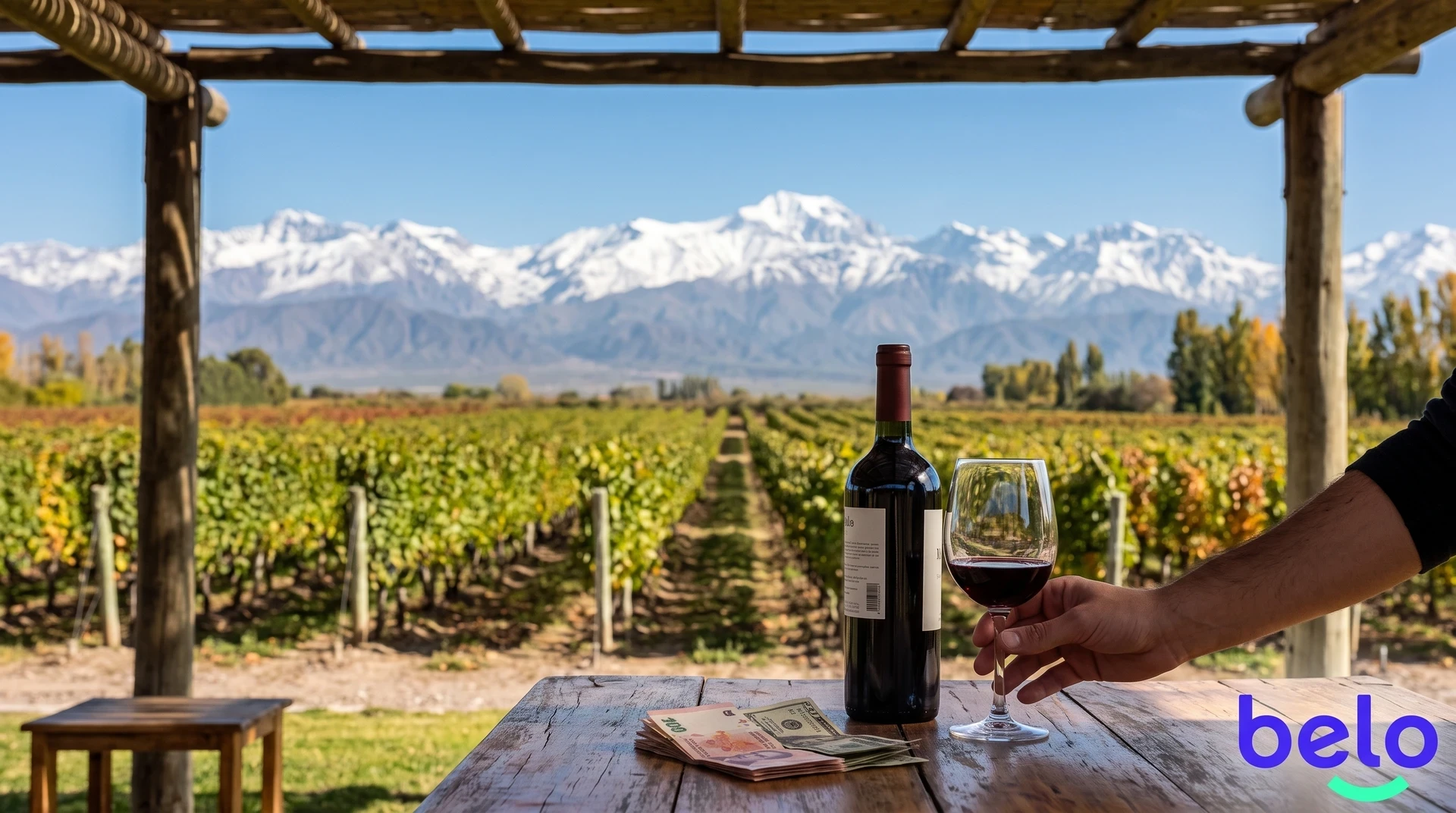
Mendoza is the wine-producing heart of Argentina, but reducing the city to just that would be a mistake. The region offers a set of experiences ranging from tastings in century-old wineries to hiking trails with views of Aconcagua, the highest point in the Americas.
The gastronomy matches the quality of the wine, and the local cost of living can surprise those who come prepared.
In this guide, you will understand what to do in Mendoza, how to organize your itinerary, and how to control your expenses during the trip.
Before setting off, set up the belo app to track payment and balance movement alternatives during your trip, according to the features available for your account and country. For discounted lodging, explore belo Travel.
What makes Mendoza different
The city of Mendoza, with its tree-lined parks and wide streets, is a starting point, not the destination itself.
What attracts visitors from all over the world lies in the surroundings: the Luján de Cuyo and Maipú valleys, where the main wineries are concentrated, and the Andes Mountains, which dominate the western horizon and offer some of the most impressive hiking trails in South America.
Mendoza is also the capital of the Vendimia, the grape harvest festival that takes place annually in March.
During Vendimia, the region hosts tourists from all over the world and hotels fill up, which is worth considering both for those who want to experience the event and for those who prefer to avoid the high season.
The wineries: how to visit without paying more than you need to
Visiting wineries in Mendoza does not have to be expensive if you understand how the industry's structure works. There are wineries of different profiles and cost ranges.
Some charge for the tasting and include a tour of the property. Others charge only for the tasting itself. And some offer free admission with the purchase of wine.
The Luján de Cuyo and Maipú valleys concentrate most of the accessible properties for tourists.
In Maipú, renting a bicycle and touring the wineries on your own is one of the most economical ways to spend the day, without needing an organized tour.
In Luján de Cuyo, properties tend to be larger and more sophisticated, with more elaborate tastings and prices that match this standard.
An interesting alternative is the bodegas that offer a gastronomic lunch on the property, where the price of the meal includes a tasting.
Depending on the number of people and the group profile, this format can be more advantageous than paying for a separate tasting and lunching elsewhere. Compare before booking.
Hiking and nature: the other side of Mendoza
Aconcagua Provincial Park is located about 180 km from Mendoza city, on the way to Chile along National Route 7.
Those who are not climbing to the summit can reach the Confluencia base camp and the glacial lagoon without needing a special permit, with a full-day excursion from the city.
The park charges an entrance fee and the price varies depending on nationality and season.
The Atuel Canyon, about 200 km to the south, offers another nature experience that is worth the detour for those with more days available. The 70 km route between colorful rock walls is considered one of the most impressive in the region.
For those who want something closer to the city, Cerro de la Gloria in San Martín Park has a short trail with a panoramic view of Mendoza and the mountain range in the background. The park is free to access and is just minutes from downtown.
Mendoza city: what to do within the city
Plaza Independencia is the geographic and social center of Mendoza, surrounded by cafes, weekend crafts, and the entrance to San Martín Park.
Walking through the four secondary plazas that surround the main one is the city's most traditional activity, each with its own identity and landscaping.
The Aristides neighborhood, with its wine shops and restaurants concentrated within a few blocks, serves as the gastronomic heart of the city.
Arriving between 1:00 PM and 3:00 PM allows you to take advantage of the daily lunch menus, which usually offer a better cost-to-benefit ratio than the dinner à la carte menus.
Experience · Location · What to consider
Winery tasting · Maipú and Luján de Cuyo · Compare formats before booking; renting a bicycle in Maipú reduces costs
Hike to Aconcagua base camp · 180 km from the city · Requires own transportation or transfer; entrance fee charged at the park
Atuel Canyon · 200 km south · Full-day excursion; buying online in advance can be more advantageous
San Martín Park and Cerro de la Gloria · Within the city · Free access, great for a half-day activity
Gastronomy in the Aristides neighborhood · Downtown Mendoza · Lunch menus usually have a better cost-benefit ratio
How to control expenses in Mendoza
Mendoza generally has lower prices than Buenos Aires, but the cost of specific experiences, such as premium tastings and organized excursions, can considerably increase your daily budget if you do not compare in advance.
Renting a bicycle in Maipú instead of booking an organized tour is one of the most efficient ways to reduce winery costs.
Buying tickets for excursions online in advance can also offer better conditions than at the ticket booth on the day of the visit.
Regarding payments: traditional banking payment methods usually include spreads and taxes on international transactions that vary depending on the type of operation and may change.
Verify the conditions with your financial institution before traveling. When exchanging cash, prefer authorized exchange offices in the city. Operating outside of authorized channels involves legal and practical risks.
Always verify if the channel you are going to use operates within the current legality.
At belo, you can track through the app alternatives to pay and move balances during your trip, according to the features available for your account and country.
Before confirming any transaction, the amounts and exchange rates are displayed on the screen. To understand how payments work, consult the payments guide in the help center.
For questions about converting balances, see the conversion guide. Keep the receipts of every transaction.
When to visit Mendoza
Mendoza has four well-defined seasons, and each offers a different experience. The Vendimia in March is the most festive and crowded time, with higher accommodation prices and lower availability.
Booking well in advance is essential for anyone wishing to align their trip with the festival.
Autumn (April and May) is one of the best times to visit: the harvest has already happened, the wineries are quieter, the mountains have snow on the higher parts, and lodging prices tend to be more affordable.
Winter (June to August) attracts those who want to ski in Las Leñas, Argentina's most famous ski resort, a few hours from Mendoza. Spring (September to November) warms up again and brings good conditions for hiking and outdoor tours.
Going to Mendoza? Download the belo app before setting off, set up your account in advance, and explore payment alternatives during your trip.
Book discounted lodging at belo Travel and check the budget guide for Argentina on the belo blog.
Frequently asked questions about what to do in Mendoza
How many days are enough to visit Mendoza?
Four days allow you to visit the wineries in Maipú, make an excursion to Aconcagua, and explore the city leisurely. With two days it is possible to do the essentials, but without flexibility for unforeseen events. Six days or more allow you to include the Atuel Canyon and other destinations in the surrounding areas.
Is it necessary to rent a car in Mendoza?
For the Maipú wineries, no. Rental bicycles work perfectly. For Aconcagua, the Atuel Canyon, or further excursions, a rental car or an organized transfer is necessary. The city itself is compact and works well without a car.
What is the difference between the wineries of Maipú and Luján de Cuyo?
Maipú concentrates more accessible wineries that are close to one another, ideal for visiting by bicycle at a reduced cost. Luján de Cuyo has larger properties, higher prestige production, and more elaborate tastings, generally with higher prices and requiring advance booking.
How long does it take to reach the Aconcagua base camp?
The drive from Mendoza to the entrance of Aconcagua Provincial Park takes about two hours. The hike to the Confluencia base camp and back takes a few hours of walking. The whole day is required for the excursion.
How to pay with more control during the trip?
Verify the conditions of your payment method before setting off, exchange cash at authorized exchange offices in the city, and use methods that show the exchange rate before confirming. Consult the belo help center for questions on how to move balances through the app.
Continue exploring
For freelancers: how to reduce stress and increase productivity
Freelancer world
Spring in Argentina: 5 places that look even more beautiful this season
For travelers

3 All-Inclusive Resorts with Kids Club for Family Vacations
For travelers