News
What is the best stablecoin to save money in 2026
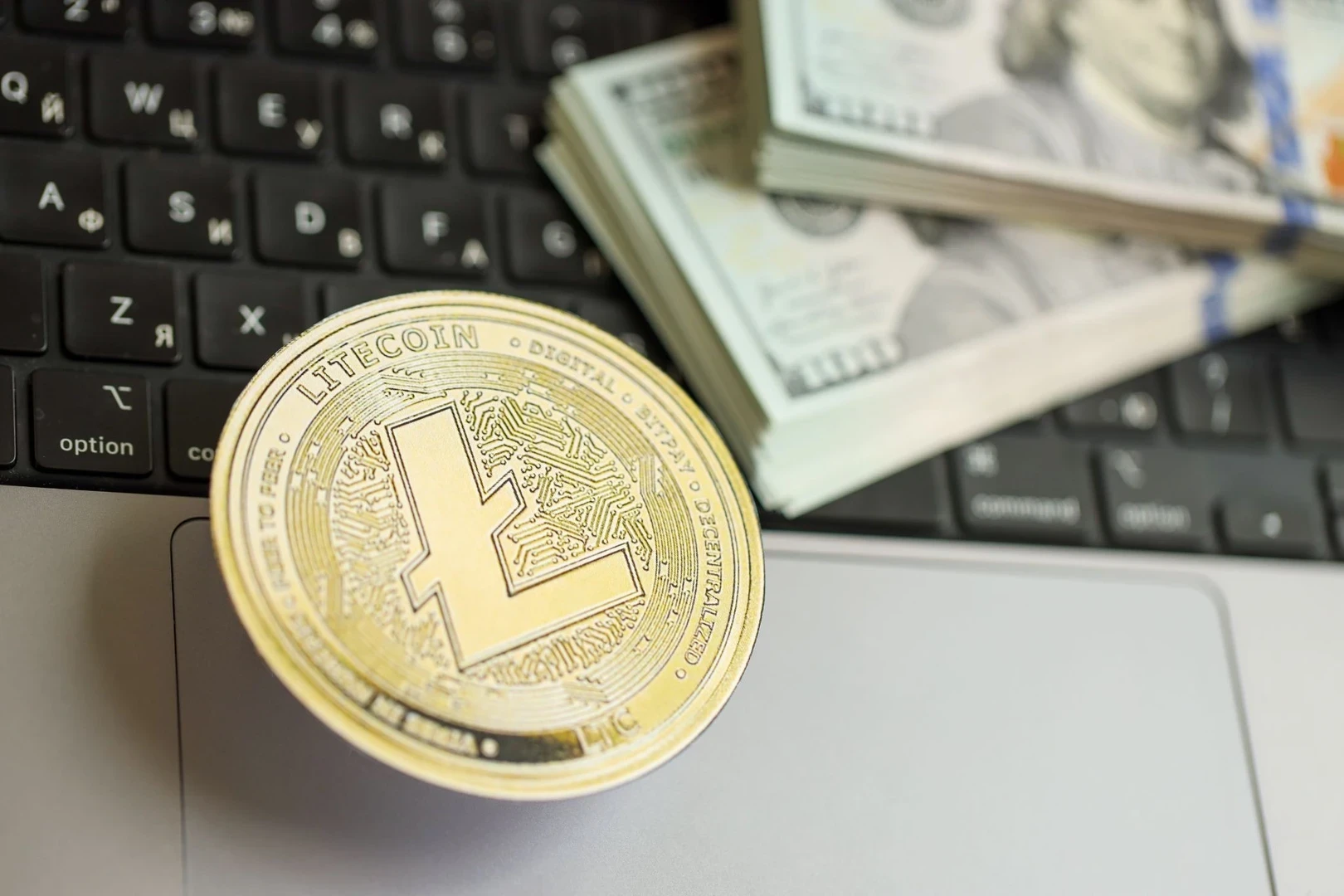
There is no single stablecoin that is ideal for all cases.
The best choice depends on what you intend to do with the asset: store value in digital dollars, move money between platforms, receive payments, use on travel, or operate in crypto protocols.
Although stablecoins like USDT, USDC, and DAI seek to maintain parity with the dollar, they do not function the same way, do not have the same issuer, do not have the same level of transparency, or the same risks.
Therefore, before choosing a stablecoin, it is worth reviewing reserves, liquidity, available networks, parity history, transaction costs, and the conditions of the platform used.
In this article, you will understand what differentiates the main stablecoins, what criteria to observe before using each one, and what precautions to consider to reduce risks of custody, network, and loss of parity.
For those who are starting to explore digital assets, the belo app can help you track the options to receive, convert, and move crypto.
What separates a secure stablecoin from others
In May 2022, those who stored money in UST (TerraUSD) watched billions of dollars evaporate in less than a week.
The token promised parity with the dollar, but relied on an algorithmic mechanism that collapsed under market pressure. Those who trusted the name "stablecoin" without looking at the structure behind it lost practically everything.
This episode left a lesson that remains valid in 2026. The word "stable" in the name does not guarantee stability. Choosing where to store value in crypto requires looking at concrete variables before making any decision.
Four criteria to evaluate before deciding
Market capitalization: indicates the volume of trust placed in the token. Higher capitalization tends to make catastrophic depeg events more difficult because there is more liquidity distributed across exchanges and platforms.
Reserve coverage: determines whether each token in circulation has a real dollar or equivalent asset stored in some verifiable place.
Audit frequency: shows how much the issuer exposes itself to external verification. Serious issuers publish regular attestations performed by independent firms.
Redemption channels: determine if you can directly exchange your tokens for real dollars and in what timeframe.
Any stablecoin that fails in one of these criteria deserves a more careful analysis before receiving your resources. Do not make decisions based solely on the name or the announced yield.
USDT, USDC, and DAI: what each offers
USDT (Tether) is the stablecoin with the largest capitalization and presence in global exchanges, making it the option with the most available liquidity.
For those who need to move values between platforms or convert quickly, this liquidity makes a practical difference.
Tether has historically faced questions regarding the exact composition of its reserves, although it has increased the frequency of reports in recent years.
USDT can be transferred through networks like Tron (TRC20) or Ethereum (ERC20), with different costs and compatibilities for each.
USDC (Circle) attracts those who prioritize public documentation and a clearer regulatory structure. Circle publishes monthly reserve attestations conducted by independent audit firms, and its reserves consist mostly of US Treasury bills and cash deposits.
It is worth remembering: in March 2023, USDC briefly lost parity when Silicon Valley Bank faced issues. The event showed that even well-structured stablecoins carry bank counterparty risk.
DAI works differently because it is overcollateralized by crypto assets deposited in smart contracts. It does not depend on a centralized issuer to maintain reserves.
This decentralization attracts a more technical user profile, but brings greater complexity for those who are starting out.
How each use profile relates to each stablecoin
The answer to "what is the best stablecoin" depends on what you plan to do with the asset. The table below organizes this decision by use profile:
Use profile · Priority · Most common stablecoin · What to check first
Store of value in digital dollars · Transparency of reserves and audits · USDC · Frequency and independence of attestations
International payments and receipts · Liquidity and speed of conversion · USDT · Sending and receiving network, transfer costs
Accessible cash for traveling · Convenience and low movement cost · USDT (Tron network) or USDC · Conversion spread and platform fees
Technical and DeFi user · Decentralization and on-chain transparency · DAI · Collateralization mechanism and audited contracts
On belo, you can use the app to track options to receive, convert, and move digital assets, with values shown before confirming.
To understand which assets are available, visit the website, and to send to other destinations, see the transfers page. Before any operation, review the values, rates, and conditions displayed on the screen.
How to protect what you chose
Choosing a stablecoin is only part of the decision. The other is understanding how to custody and move your assets carefully. Some practices can help reduce risks.
Before any transfer, confirm that the sending network and the receiving network are compatible. Sending USDT through a network different from the one accepted by the destination wallet may result in an irreversible loss of funds.
If it is your first time sending to a new address, consider making a small transfer before moving larger amounts. Keep the receipt of each transaction.
For amounts you do not plan to use in the short term, a hardware wallet can offer more control over private keys.
For amounts you need to access frequently, a platform with a good reputation and transparent history can bring more convenience. See the belo safety guide for general tips on how to protect your digital assets.
Diversifying among stablecoins can help reduce risk concentration in a single issuer, but it does not eliminate market, custody, liquidity, or platform risks.
Before deciding, review the conditions of each asset, the network used, and the costs involved in each transaction.
If you want to track options to convert and move digital assets with more clarity, the belo app can help. For specific questions about how the platform works, the help center is available.
Frequently asked questions about the best stablecoin to save money
Is it possible to lose money even using stablecoins like USDC?
Yes. The Silicon Valley Bank case in 2023 showed that even USDC can temporarily lose parity when banks keeping the reserves face issues. All stablecoins carry some type of counterparty risk. Before allocating, review the information regarding the issuer's reserves and the risks involved.
What is the practical difference between holding in self-custody or leaving on a platform?
Self-custody wallets offer full control over funds, but demand responsibility for the security of private keys. Custodial platforms are more convenient for frequent use, but you depend on the solvency and security of the company. Evaluate conditions and history before deciding. See the belo help center to understand how custody works in the app.
How to know if a stablecoin is reliable?
Check if it has regular reserve audits published by independent firms, relevant market capitalization, and clear redemption channels. Tokens without a track record or with limited transparency present higher risk, regardless of promises. Never allocate more than you can afford to lose in a single asset or platform.
Is it worth using different blockchain networks to reduce costs?
It can make sense, but always confirm that the destination platform accepts the network you are using before sending. Check the belo money transfer guide to see which networks are available. Network errors can result in irreversible loss of funds.
How much of my portfolio should I keep in stablecoins?
This is a personal decision that depends on your financial situation, goals, and risk tolerance. This content is not financial advice. Stablecoins do not replace traditional investments and carry their own risks. For asset allocation decisions, consult a specialized professional.
Continue exploring
For freelancers: how to reduce stress and increase productivity
Freelancer world

Spring in Argentina: 5 places that look even more beautiful this season
For travelers

3 All-Inclusive Resorts with Kids Club for Family Vacations
For travelers