News
How tipping works in Argentina: customs and expected amounts
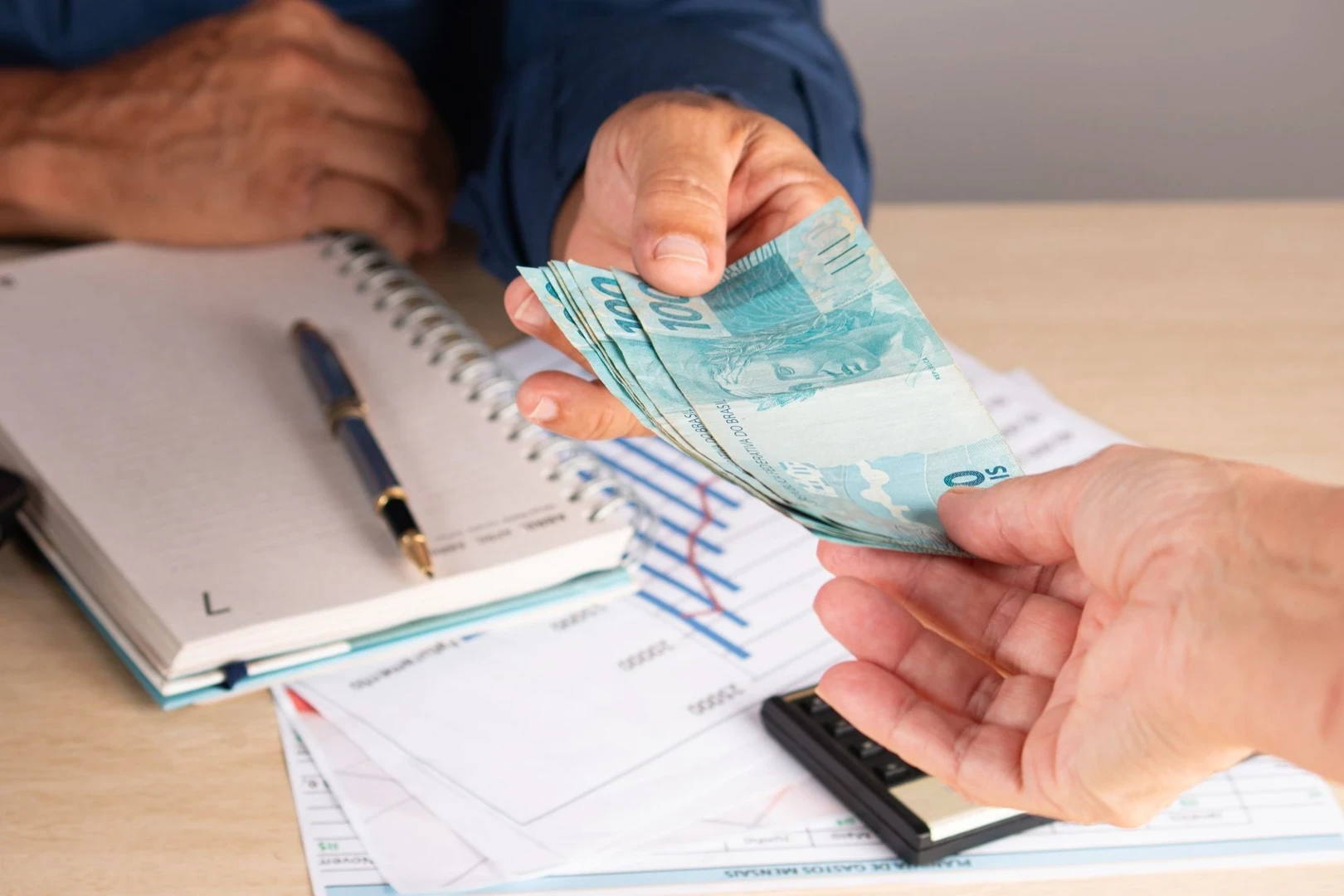
Tipping in Argentina often raises questions for travelers from Brazil. In some places it is expected, in others it is just an optional gesture, and it does not always appear included on the bill.
Before heading out to restaurants, bars, cafes, taxis, or tours, it is worth understanding when to leave a tip, what reference is usually used, and why cash can still be important in some situations.
In this article, you will understand how tipping works in Argentina, what to look for regarding "cubierto", how much usually makes sense for each type of service, and how to prepare to pay with greater clarity during your trip.
For those organizing their expenses before boarding, belo can help track options to pay, convert, and manage your balance during the trip.
The tip that nobody explains properly
Many Brazilian travelers arrive in Argentina thinking that it works just like in Brazil (where 10% is included on the bill) or like in the United States (where higher amounts are almost mandatory).
The Argentine reality lies between these two extremes, and the details make all the difference.
In Argentina, tipping (called "propina") is voluntary, but socially expected in restaurants with table service.
The general standard is 10% of the bill, which works both in Buenos Aires and in smaller cities like Mendoza, Bariloche, or Salta.
This percentage does not appear printed on the bill and no one will charge you, but leaving the table with nothing after good service is considered impolite.
A detail that confuses many people is the "cubierto", that service fee that appears on the bill of several restaurants. The cubierto covers the use of tableware, bread, and sometimes an appetizer, but it does not replace the tip.
It goes to the establishment, while the "propina" goes directly to the waiter. Ignoring this distinction is the most common mistake among tourists.
How much to leave in each situation
The 10% rule works well for restaurants, but every context in Argentina has its own logic.
For a dinner with a waiter, 10% is the reference amount. If the service was exceptional, increasing it to 15% demonstrates genuine recognition without seeming excessive.
In bars and breweries, the dynamic changes. If you are in a bar with a table and a waiter, 10% is still appropriate. At the bar counter ordering drinks, rounding up or leaving a symbolic amount per round is already sufficient.
In cafes where you order at the counter and pick up your own drink, tipping is not expected.
For taxis and ride-sharing apps, the most common practice is to round up the ride amount. Nobody expects 10% on a taxi bill, and app drivers do not have this cultural expectation, although they gladly accept it.
References by type of service
Situation · Tipping reference · Observation
Restaurant with waiter · 10% of the bill · In cash, separate from the cubierto
Bar with table and waiter · 10% · In cash on the table
Bar at the counter · Round up · Symbolic amount per round
Cafe without table service · Not expected · Payment at the counter, no table service
Taxi · Round up the ride amount · Percentage of the fare is not expected
Hotel housekeeper · Symbolic amount per day · Leave on the pillow with a note
Free walking tour · The tip is the guide's payment · Technically free tour
Private or specialized tour · Proportionate to the excursion · Varies according to duration and service
Buenos Aires, as it is the most tourist-heavy city with the highest cost of living, naturally pushes values upwards within these benchmarks.
In interior cities like Cafayate, Corrientes, or Puerto Iguazú, bills are lower and absolute values follow this proportion. The percentage remains the same, but the amount in pesos decreases.
Some phrases in Spanish help when interacting. "Quédese con el cambio" (keep the change) resolves most taxi and small purchase situations.
"Esto es para usted" (this is for you) works when giving the tip directly into the waiter's hand. If you want to split the bill, "¿Podemos dividir la cuenta?" is direct and clear, although many restaurants prefer a single bill.
Cash in hand and digital payments
Tipping in Argentina is almost exclusively a cash transaction. The vast majority of Argentine restaurants do not offer the option to add the tip to the card machine.
Even if you pay the entire bill in another way, the expectations is for the tip to be left in pesos on the table. This means having low-denomination banknotes available, which requires planning.
When a more upscale restaurant allows adding the tip in another way, it is worth checking the conversion conditions before confirming. Fees and spread can increase the actual cost of the transaction.
To maintain budget control during the trip, with belo it is possible to pay, convert, and track your balance directly through the app, with values and exchange rates displayed before confirming.
About "servicio incluido": some more sophisticated restaurants in Buenos Aires already include a service charge in the bill.
When this happens, an additional tip is welcome but not mandatory. Look for the phrase "servicio incluido" or ask directly "¿El servicio está incluido?" to avoid paying twice.
To learn more about how to pay in Argentina with the belo app, check the payment guide in the help center. For accommodations in the region, belo Travel can also help find discounted options.
Frequently asked questions about how tipping works in Argentina
Is tipping mandatory in Argentina?
Tipping is voluntary but socially expected in restaurants with table service. Leaving the table with nothing after good service is considered impolite among locals.
Does the cubierto replace the tip?
No. The cubierto is a fee that goes to the establishment and covers the use of tableware and bread. The tip goes directly to the waiter. They are different and independent charges.
Can I leave the tip in a form other than cash?
The vast majority of Argentine restaurants do not offer this option on card terminals. Even when paying the bill on a card, leave the tip in pesos on the table. Having low-denomination bills available makes the trip much easier.
Does tipping vary a lot depending on the city?
The reference percentage (around 10%) remains the same throughout the country, but absolute values in pesos are lower in towns in the interior, where bills are generally cheaper than in Buenos Aires.
How to pay with more control during travel in Argentina?
It is worth reviewing the conditions of each payment method before using it. To follow payment and conversion alternatives through the app during your trip, consult the belo payment guide and the functions available for your account and country. Before confirming any transaction, review the values displayed on the screen.
Continue exploring
For freelancers: how to reduce stress and increase productivity
Freelancer world

Spring in Argentina: 5 places that look even more beautiful this season
For travelers

3 All-Inclusive Resorts with Kids Club for Family Vacations
For travelers