News
Local currency-backed crypto asset: how it works and why it matters
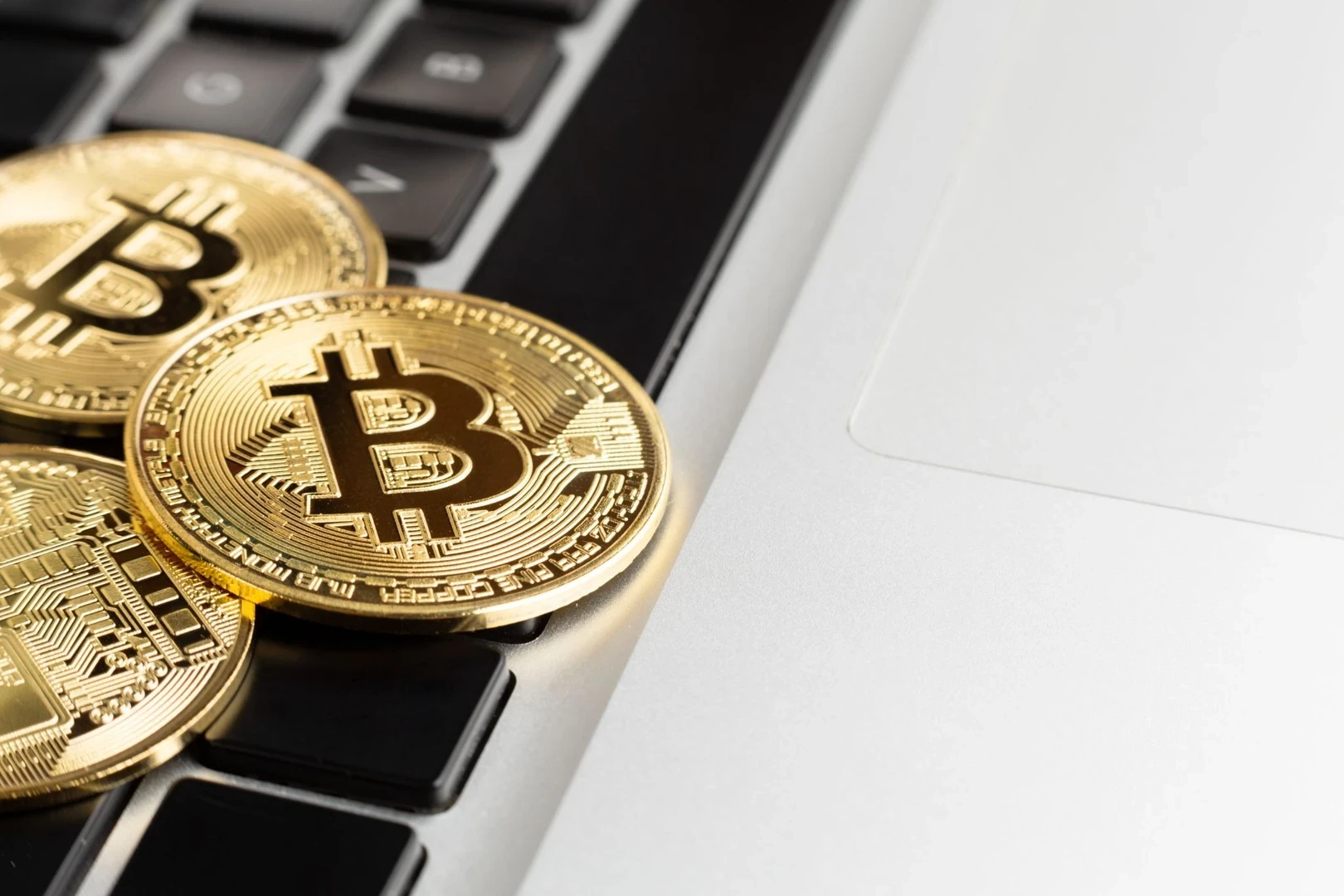
Local currency-backed cryptoassets are digital tokens that seek to maintain parity with a specific currency, such as the real, the Argentine peso, or another currency used in daily life.
The idea is to bring the agility of blockchains closer to a unit of value that people already know and use to pay, receive, or move money.
This type of asset can make sense in situations where a dollar-backed stablecoin does not solve the entire transaction path.
Even when the value circulates in crypto, there is often still a final conversion step to local currency before the money can be used.
Before operating with this type of token, it is worth understanding how the backing works, who the issuer is, what reserves support the parity, what costs may appear, and under what conditions the balance can be converted or moved.
For those starting to explore digital assets, the belo app can help keep track of the options to receive, convert, and move money locally or internationally.
The problem that dollar stablecoins do not solve on their own
Anyone who has already converted reais into USDT to send money to someone in another country knows that the story does not end with the stablecoin. The recipient needs the local currency.
Between the USDT in the wallet and the money available for use, there is an extra conversion, with spread, withdrawal fees, and waiting times that vary depending on the method and the platform.
Dollar-pegging stablecoins solve protection against exchange rate volatility, but when it comes to spending in local currency, the last leg of the journey still has costs and timeframes that vary.
This is precisely the leg that local currency-backed cryptoassets seek to shorten. Instead of representing a US dollar, these tokens represent a local currency such as the real, maintaining a parity close to 1:1.
How parity with local currency works
The parity relies on some fundamental pillars:
The issuer maintains reserves equivalent to the volume of tokens in circulation, usually in bank deposits or short-term assets denominated in the same currency.
Smart contracts on the blockchain control the minting and burning of tokens, so that no unit is created without backing.
Periodic audits make it possible to verify that the backing actually exists. Serious issuers publish this information in an accessible way.
When a real-backed token circulates on a blockchain, it brings the possibility of faster transfers, but delivers value denominated in the currency the recipient uses.
The conversion conditions between the token and the bank account vary depending on the platform and the method used. Before operating, check the values shown on the screen.
Where these assets can make a difference
To understand the context of use, it is worth considering some common situations in Latin America.
For travelers paying abroad:
Those traveling to Argentina and using digital asset balances via QR can monitor the conversion conditions directly on the app. On belo, you can pay, convert, and track your balance directly through the app during your trip. Before traveling, check the payment guide to see what options are available for your account.
For remittances between countries:
Sending money through traditional channels involves timeframes and costs that vary depending on the institution, amount, destination country, and method. With digital assets, these costs and timeframes also vary, but the process can be different from the conventional banking circuit. Check the conditions displayed before confirming any transaction. The transfer page of belo shows the available destinations and currencies.
For those receiving payments:
A merchant who accepts payment in digital assets backed by their own local currency reduces the need to deal with exchange rates at the time of receipt. Processing fees vary depending on the network and the conditions of each platform.
How to evaluate if the issuer deserves trust
The efficiency of this system depends on a central premise: the issuer actually has the money they claim to have. If the reserves do not exist or are not sufficient, the token can lose parity and those holding the asset lose along with it.
Criterion · What to check
Reserve audits · Frequently published by independent firms, not just internal reports
Issuer's jurisdiction · Defines which regulator can intervene if something goes wrong
Redemption policy · Should provide for token conversion to fiat currency within a defined period
Smart contract audit · Reduces the risk of vulnerabilities that allow unlimited minting without backing
Operational transparency · Issuer publishes reserve addresses and circulation reports
Digital assets backed by local currency are not legal tender and do not have the guarantee of a credit guarantee fund.
The most prudent approach is to use them as a tool for specific transactions, keeping only the necessary balance for what you are going to operate. In case of doubt, consult the belo help center or a specialized professional.
How to start safely
A more prudent path is to start with a small, real transaction that you would make anyway.
If you travel frequently or receive payments from abroad, first explore how the functions available in your digital wallet work before moving larger amounts.
Before expanding any operation, confirm whether the token issuer meets the trust criteria listed above. Also verify conversion conditions, costs, limits, and settlement times at the moment of redemption.
Want to keep track of alternatives to receive, convert, and move money with more clarity?
If you want to track options to receive, convert, and move money with more clarity, the belo app can help, as the available functions vary depending on your account and country.
Frequently asked questions about local currency-backed cryptoassets
What is the main difference between a local currency-backed cryptoasset and a dollar stablecoin?
The difference lies in the final conversion. With dollar stablecoins, you need to convert to local currency before using, paying spread and potential additional fees. With a token backed by your own currency, you eliminate this step because the asset is already denominated in the currency you are going to use. Conditions vary depending on the platform and method.
Is it safe to keep large sums in cryptoassets backed by local currency?
It is not recommended. These assets do not have the protection of a credit guarantee fund and rely entirely on the solvency of the issuer. The most prudent approach is to use them for short-term transactions, keeping the minimum necessary balance.
How to verify if an issuer really has the reserves they claim to have?
Look for attestations published frequently by recognized independent auditing firms, not just internal reports. Transparent issuers also publish reserve wallet addresses and token circulation reports.
What is the cost of using these tokens for remittances?
Costs vary depending on the network used, the transaction value, and platform conditions. Before confirming any remittance, check the values shown on the screen, including fees, conversion spread, and estimated timeframe. Compare conditions before deciding.
Do I need technical knowledge to start using them?
Not necessarily. Many digital wallets already offer simple interfaces for currency conversion and QR payments. The ideal approach is to start with a small transaction to understand the complete flow before increasing the amounts. The belo help center has detailed guides for each feature.
Continue exploring
For freelancers: how to reduce stress and increase productivity
Freelancer world

Spring in Argentina: 5 places that look even more beautiful this season
For travelers

3 All-Inclusive Resorts with Kids Club for Family Vacations
For travelers