News
What to do in Buenos Aires in 4 days: complete itinerary
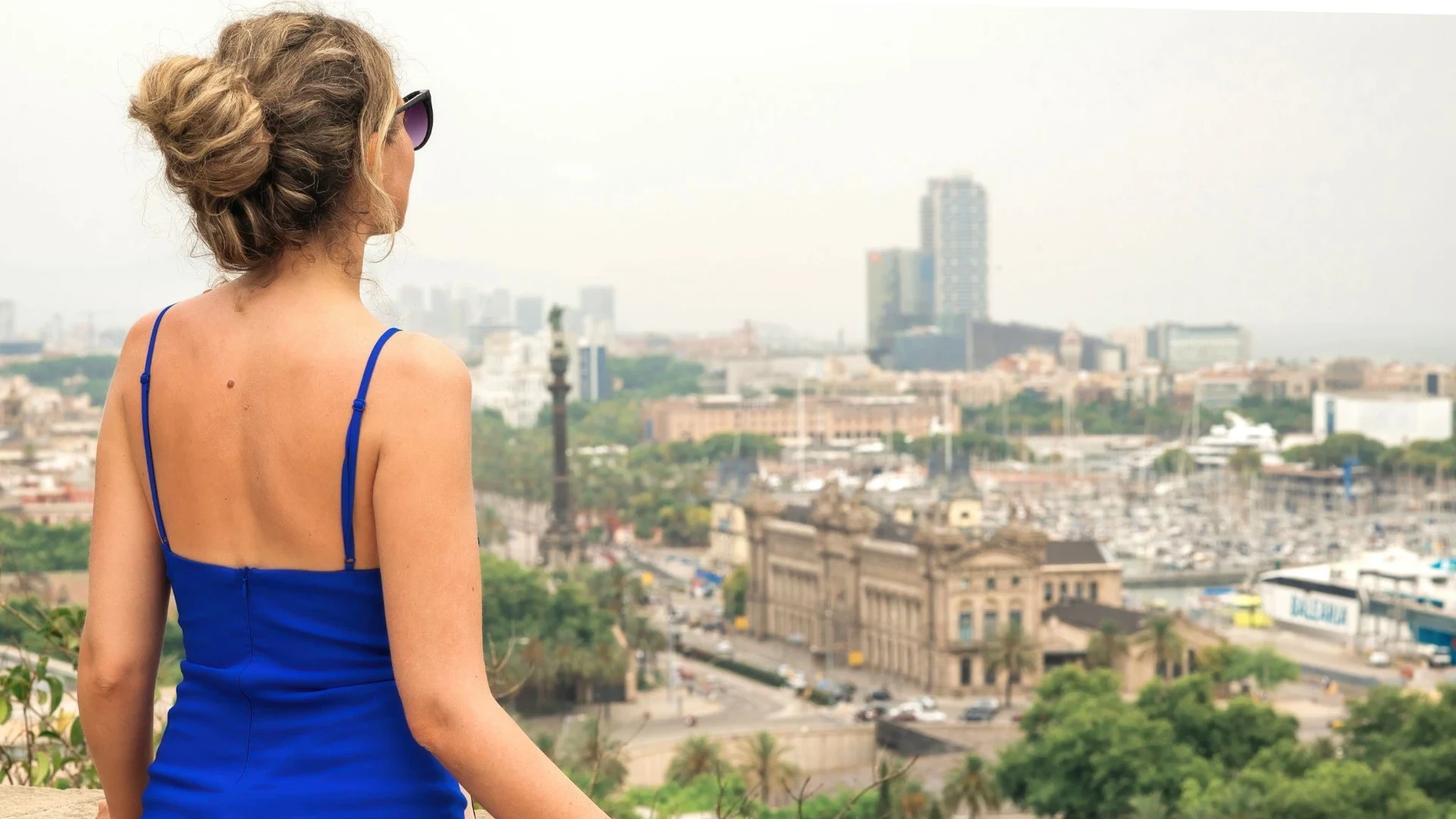
Four days in Buenos Aires are enough to get to know some of the city's most iconic neighborhoods, taste the local cuisine, visit museums, walk through historic areas, and set aside time for shopping, cafes, and more relaxed strolls.
The key is to organize the itinerary by areas. This way, you avoid unnecessary travel and make the best of each day: the historic center and San Telmo at one point, Recoleta and Palermo at another, Puerto Madero, La Boca, or some cultural tour at your own pace.
In this guide, you will find a suggested 4-day itinerary in Buenos Aires, with ideas on what to do in each region, how to distribute the tours, and what to consider before booking accommodation, experiences, or payments during the trip.
Before departing, it is worth set up the app belo to keep track of payment options during the trip and, if you are still organizing accommodation, belo Travel can also help find discounted options.
How to organize neighborhoods to save time
Four days in Buenos Aires seems like a lot until you realize the city spreads across neighborhoods with very different personalities.
Those who build their itinerary without thinking about geography end up spending hours a day in transit, which in a short itinerary means losing time that could be spent exploring.
The logic that works is grouping neighborhoods into two axes and a day trip:
The southern axis brings together Centro, San Telmo, and La Boca, relatively close and walkable with 15 to 20-minute stretches between them.
The northern axis connects Recoleta and Palermo, separated by a walk of about 25 minutes along the Avenida del Libertador corridor.
Puerto Madero works as a bridge between the two axes, just minutes from the Centro.
Tigre is about an hour's train ride from Retiro station, making it a day trip that easily occupies half a day.
The SUBE card is indispensable for public transport. Buy the card as soon as you arrive, at any subway station or kiosk.
For ride-hailing app trips, avoid peak afternoon hours, when Buenos Aires traffic turns short journeys into long ones.
Where to stay
Neighborhood · Accommodation profile · Practical advantage
San Telmo · Hostels, Airbnb, more affordable options · Close to the southern axis, subway access
Palermo · Mid-range to premium · Greatest gastronomic offer, good access to transport
Recoleta · Mid-range to premium · Central, close to museums and parks
Puerto Madero · Premium · Dock views, upscale restaurants
The best relationship between cost and mobility is usually near a subway station.
Booking in advance makes a real difference in prices, especially in high season. belo Travel can help you find discounted options.
Day-by-day Itinerary
Day 1: Southern axis
Plaza de Mayo, Casa Rosada, and the Metropolitan Cathedral are just steps from each other, and the free walking tour leaving from the square in the morning is an efficient way to understand the history of the place.
In the afternoon, walk down to San Telmo to explore the San Telmo Market. If it's Sunday, the Feria de San Telmo transforms the streets with live tango and crafts.
Day 2: La Boca and Puerto Madero
The second day starts in La Boca in the morning, where Caminito and its colorful murals yield photos and an hour's stroll. The important tip is not to wander away from the tourist streets, as the surrounding neighborhood has a different security dynamic.
After lunch, head to Puerto Madero. Puente de la Mujer, the Costanera Sur Ecological Reserve, and the walk along the waterfront make for a relaxing afternoon.
Day 3: Northern axis
Recoleta in the morning calls for a visit to Recoleta Cemetery and its surroundings, followed by the National Museum of Fine Arts, which is free.
In the afternoon, walk to Palermo to tour the Bosques de Palermo and the Japanese Garden. Palermo Soho and Palermo Hollywood concentrate design shops, cafes, and great gastronomy.
Day 4: Tigre
Take the train at Retiro station in the morning and in about an hour you will arrive at the river delta.
The Puerto de Frutos, an open-air market with crafts and regional products, yields at least an hour. Return in the early afternoon to have the rest of the day free, whether to revisit a neighborhood or fit in the Colón Theatre, which requires advance booking.
If it rains: Buenos Aires has a good plan B. MALBA in Palermo, the Modern Art Museum, and iconic bookstores like El Ateneo Grand Splendid work as full-day programs in an indoor environment.
How to control expenses during the trip
The way you pay can significantly impact the real cost of each transaction.
Payment methods that apply unfavorable exchange rates can add a considerable percentage to the total trip cost.
On belo, you can pay and convert balance during the trip, with the rate displayed before confirming each transaction.
When changing physical cash, prefer official exchange houses in the city and avoid the airport. Keep receipts of each transaction.
Pre-trip Checklist
Confirm with your bank the conditions of your payment method for use abroad
Buy tickets online for attractions with limited capacity, such as the Colón Theatre
Book popular restaurants at least two weeks in advance
Set up and test the payment app before departing
Always keep some cash reserve for places that do not accept digital payment
Ready to explore Buenos Aires? Download the belo app before departing, set up your account, and track alternatives to pay during the trip. Book accommodation in belo Travel.
Frequently asked questions about what to do in Buenos Aires in 4 days
Is it safe to walk between neighborhoods in Buenos Aires?
Between Centro, San Telmo, and Puerto Madero during the day is safe. Between Recoleta and Palermo along Avenida del Libertador is too. Avoid La Boca outside the tourist area of Caminito and use public transport or ride-hailing apps at night.
Is it worth buying tourist packages for 4 days?
For a 4-day itinerary, generally no. Neighborhoods are compact and public transport is affordable. Specific free walking tours tend to deliver more results for a fraction of the cost of pre-made packages.
Do I need to speak Spanish to get around the city?
It is not mandatory, but it helps. In tourist areas, many speak basic English.
What is the best time to visit Buenos Aires?
March to May and September to November have pleasant weather and mid-range prices. December to February is summer, warmer and high season. June to August is winter, with intense cultural energy and more affordable hotels.
What to do if I miss the return train from Tigre?
Trains run frequently until late at night. If you miss the last one, urban buses connect Tigre to downtown Buenos Aires, but the journey is longer.
Continue exploring
For freelancers: how to reduce stress and increase productivity
Freelancer world
Spring in Argentina: 5 places that look even more beautiful this season
For travelers

3 All-Inclusive Resorts with Kids Club for Family Vacations
For travelers